Showing posts with label Drug Fantasies. Show all posts

Wednesday, October 13, 2021

Words Of Love

Richard Furnstein: "Words Of Love" is a cover of an innocuous yet revolutionary Buddy Holly song (surely the most innocuous yet revolutionary artist in music history). As a holdover from their time vibrating on sticky stages in bratwurst halls in Hamburg, it provides a handy key to the harmonic foundations of the group. Indeed, there's a gentle simple charm to how perfectly restrained the voices of Lennon/McCartney/Harrison are on the track as they simultaneously push their droning vocal lines (heeeeeeeeeeeear, truuuuuuuuuuuuuue). It's a light touch on the back and a drink of punch from a paper cup at the sock hop, so it's a genuine delight to imagine them delivering these angelic chords to methamphetamine-enhanced white power horndogs in a foreign land. You spilled some on your trousers, mate.

Robert Bunter: Well of course you're absolutely right, but the apparent simplicity and restraint actually conceal some characteristically inventive moves. The insistent eighth-note handclaps underlying almost the entire two minutes of the track's duration evoke the then-unheard texture of a scratched-up CD-R attempting to be read by your player, which strangely seem to line up with the beat regardless of the source material. The effect evokes the original version, which featured a similarly disorienting rhythmic figure caused by the primitive slapback echo on the acoustic guitar interacting with the understated mambo of Jerry Allison's horny tom-toms. The vocal harmonies (which the Beatles reproduced in full) eschew the luxurious stacked intervals of doo-wop in favor of low-register perfect fifths that give the impression of a chant or incantation. The overall mood is one of mature, adult serenity - more like a porcelain mug of espresso or a snifter of Grand Marnier than a paper cup of punch in my opinion. I hope I haven't been too confrontational here.

Richard Furnstein: Not at all, my dear old friend. I appreciate your frankness and am genuinely excited to talk about this song. It reminds me of so many late nights at Ramada Inns, discussing the hidden delights on Beatles For Sales with other attendees of the local Beatlefest. "Did you know that Ringo played a packing case on 'Words Of Love'?" "Of course I do! Is that like a wooden packing crate or just a common wooden box?" "Should we call my cousin? He lives outside of London and I'm sure he'd know. It's already 9:30 in the morning there!" Moments like this were like boldly opening a properly folded road atlas on the bonnet at the car park. A cuppa on the dash to fuel our adventures and a rucksack of crisps and sausage rolls in the boot. It almost didn't matter where our journeys would take us. We were just happy to engage in the sacred conversations of Beatle fandom, to solve the puzzles left for us by these faraway beings, to find a way to feel closer to our memories as the world around us became more certain. "There's A Place," indeed. And I feel a familiar tingle as we head there once again.

Robert Bunter: It's true, we had a lot of fun at BeatleFest. I get hungry just thinking about those sausage rolls. On the other hand, I get nauseated when I think about other humble British street foods like pie mash, jellied eels, smack barm pey wet, and Lancashire cockles. You have to eat some of those things really fast right out of the deep fryer or else in about five minutes you're going to have a greasy, inedible mess and you'll get fingerprints all over the picture sleeve of the Beatles For Sale (No. 2) EP that you just bought from Stan Panenka from his special under the counter box where he keeps the real goods.

Richard Furnstein: "Words Of Love" is a showcase for unique harmonies of the Beatles' singers. I've always thought Buddy Holly meant something unique to each of the boys. George always seemed inspired by the slashing open chords and leaned on some of the early rock simplicity in his pre-Rubber Soul offerings and frequently reverted to these tricks throughout his solo career. John loved that Buddy wore glasses and named his band as a nod to The Crickets. Paul tapped into the optimism of the lovelorn that defined so much of Buddy Holly's work. And lest we forget, Paul purchased the Buddy Holly song publishing catalog in the seventies. This resulted in the Denny Laine album Holly Days (produced by McCartney and a nice revenue stream for Paul after the ink was dry on the contract. Later, McCartney's business move inspired his friend Michael Jackson to buy out the Northern Songs catalog from Yoko Ono and McCartney, resulting in a lifetime of Beatles tunes used in unfortunate advertisements and a decrease in funds for the skinflint McCartney.

Robert Bunter: Maybe we're being too kind though. We can see the inclusion of "Words Of Love" on Beatles For Sale as a thoughtful homage to a primal formative influence, but it's no less true to label this track "exhibit A" in the case for this album as a slapdash, relatively uninspired cash-in. Robert Freeman's iconic cover portrait tells the story all too candidly. It's late '64, the boys are hungover and bone-tired after three straight years of nonstop running and screaming. The EMI honchos are howling for fresh product to feed the masses and nevermind if it's a greasy inedible pile of Devonshire craw urchins a few too many minutes out of the deep fryer. Trudge into the studio and crank out a few old chestnuts from the bar band days to pad out the tracklist, boys. I know we've covered this ground before, but in a better world they would have been given time and space to develop an LP's worth of the inspired acoustic folk rock that started side one off so promisingly ("No Reply," "I'm A Loser," "Baby's In Black"). Instead it's a bunch of goddamn shit like "Words Of Love."

Richard Furnstein: Crikey, you're right. This song is nothing more than a smear of HP Brown Sauce and some greasy scotch egg crumbles leaking through on the cafe grade paper plates. I want my five pence back, Doris. No hungry.


Monday, January 25, 2021

Sexy Sadie


Robert Bunter: 
The White Album is in large part about The Beatles themselves (as indicated by the record's actual title, which is The Beatles). Previous efforts certainly dealt with aspects of the group's real lives, leavened to a greater or lesser degree by poetic lyricism - "Taxman," "I'm Only Sleeping," "Fixing A Hole," even "Penny Lane" and "Strawberry Fields Forever." Still, the two LP's previous to this (Sgt. Pepper's and Magical Mystery Tour) both explored far-fetched alternate identities and messages of universal cosmic significance set in a colorful fantasy world populated by rocking-horse people and marshmallow pies. Now it's 1968 and all of a sudden we've got a stark view of these hairy men's real life backstage after the curtains fall. Plugged-in fans were startled to realize that these songs were about Paul's sheepdog, John's mom, Mia Farrow's sister, Eric Clapton's sweet tooth, and meanwhile Yoko's over here in the corner staring at me. The stripped-down production and minimalist greyscale cover text added to the dour mood. "Sexy Sadie," while graced with an utterly beguiling melody and emotionally affecting Lennon falsetto, remains at its core an airing of dirty, personal laundry.  

Richard Furnstein: Lennon is certainly more direct here than he was in the Technicolor swirl of the 1967 offerings. The stripped-down approach of the Esher Demos provided a dramatic shift from the Eggman filtration system of the psychedelic era. Break out the 120-grit and strip the careless swirls from your instruments. You were resplendent in that madcap frock, but the loose sand-colored hemp shirt and leather necklace suits you well in this new age. The change was welcomed by our beloved Walrus, as he produced his strongest and most unique batch of songs yet for The Beatles. You get the sense that John's songwriting explosion in Rishikesh was his attempt to refocus his creativity to become (if needed) a singular light for the group. All could drink and eat from his expanding mind and desperate claws. He found his muse in Yoko and finally had his fragile ego confirmed in a helicopter ride with the Maharishi Mahesh Yogi. To think, mankind was given the pure beauty of "Julia” (pay no mind to the creeping figures of Polythene Pam and Mr. Mustard) from fever dreams on a hard Indian cot. Take this brother, may it serve you well.  


Robert Bunter: That's a totally accurate description. I'm going to provide a bit of backstory at this point. The Beatles went off to India to study with the Maharishi Mahesh Yogi, a giggling guru preaching a Westernized, user-friendly form of spiritual meditation for dilettantes and businessmen looking for shortcuts. Typically, John was the most ardent convert of the four, sitting cross-legged in his little hut for hours a day in a fugue state which he later described as a mental breakdown. Of course, being John, that was just his idea of a great time - remember, he'd spent most of the previous two years paralyzed by nightmarish acid-fueled visions. But as hard as he fell for Maharishi's line, it was only a matter of time before the bloom was off the rose for John, who spent most of his too-short life flitting from one God-figure to another (Presley, McCartney, Dylan, Leary, Maharishi, Janov, Rubin), only to renounce them after they failed to deliver what he really needed, which was his parents' love (I left Ono off that list, because that's a more complicated deal). There is no fiercer critic than a former apostle stung by betrayal, and when John got word that Maharishi might not be as high-minded as his sermons had implied (despite vows of celibacy, he was apparently making it with various female students during private "advanced meditation sessions"), he decided to pack up his trunk and storm out. On the car ride back to the airport with George he began to compose a stinging song in his head called "Maharishi," which George persuaded him to re-title "Sexy Sadie."


Richard Furnstein: "Sexy Sadie" is a surprisingly tame lyrical put down from the prickly one in the Beatles. Consider the misogynistic and seething tone directed at lovers on Rubber Soul, the contempt directed at the idiotic common people of "Good Morning, Good Morning" nervously scattering the streets playing their miserable roles as workers, and the more pointed loathing featured in the darker rooms in the Imagine LP. It's clear in each of the songs that Lennon was filtering his own self-loathing into a sarcastic and often times cruel view of others. The transgressions of the Maharishi are dismissed as mere technicalities ("you broke the rules" and "how did you know?") and the punishment for his actions are vague and inconsequential ("you'll get yours yet"). It's a much softer view than the arson-as-revenge fantasy interpretation of "Norwegian Wood (This Bird Has Flown)."


The "one sunny day the world was waiting for a lover" part is the only time that Lennon really reflects on his own insecurity and his never-ending search for a guru who can show him the light. This songwriting trick was first mined in Lennon’s first golden period, the soundtrack to A Hard Day’s Night. As you ably tracked, Lennon was an orphaned soul searching for parental approval. Lennon is uncharacteristically guarded when he reflects on his pull to the Maharishi and his teachings, summarizing the arrival of the guru into his shattered world as an inevitability. An upper on a sunny day, ensuring all were sufficiently turned on. Who could resist the pull of this force? Lennon suggests they were all playing fools. He clearly hasn't learned a damned thing. 


Robert Bunter: Well I'll tell you one thing he'd learned - how to use the basic building blocks of the primal/crucial 1950s rock and roll chord changes which had ignited his childhood to construct something menacing and strange enough to suit the dark and complex man he'd grown into by 1968. The most obvious example is the terrifying "Bang-bang, shoot-shoot" coda on "Happiness Is A Warm Gun," but harmonically, "Sexy Sadie" is cut from the same cloth as "I'm So Tired." In both cases the chord changes are close enough to evoke the familiar, comforting yearning of straight doo wop, but John adds interest and malice with descending chromatic movements. Have you ever listened to Ronettes 45s while under the influence of mind-altering drugs? Well, John probably did, and "Sexy Sadie" is probably what they sounded like. 


Richard Furnstein: It’s interesting that John seemed most comfortable when he could lean on this teddy boy origins and toss a few joker chords around a well-worn Spector skeleton. Maybe he wasn’t the towering genius with clouds in his eyes and a blueprint for eternal peace. Perhaps he was nothing more than a wiry fiend, knocking out piles of amazing songs in the lingering flatulence of his Rishikesh tent because he couldn’t just goof out on zonk pills and stare at a television. Of course, Beatles experts (like me!) will tell you he was somewhere between the two extremes. Those same experts will then play you a demo version of “Out The Blue” from the Mind Games album and tell you it’s a disgrace that the Lennon Trust hasn’t released every second of music that this Godhead has created. Seriously, that tune could be on the White Album, Bunter!


Robert Bunter: The only "Lennon Trust" that I recognize is my trust that you will inevitably bring the conversation back to that soggy Lennon solo offering. Of course it sounds like it could have been on the White Album, poor John was reworking the moves he stole from Donovan. I've had to listen to you babble about that sadsack blues sludge for decades now. Welcome back to the blog, dear readers. I'm already tired of talking to this guy. 


Friday, March 27, 2015

Chains

Richard Furnstein: Listen, we can't move ahead with our scheduled post: a tepid run down of the Gerry Goffin/Carole King song "Chains" from Please Please Me. I'm sorry, I know there is a strict schedule to these posts, developed through extensive research into maximizing the viral marketing potential of this blog. I also know that we could go on for hours about the Beatboys' rendition of that classic Cookies track. Sometimes you have to say "bugger the system" and push forward for what is right. It's time that we told our devoted readers about the Yoko Ono/John Lennon Two Virgins album. Sure, you've probably heard about the album--and the controversial body explorations of the front and back sleeves--but never dug into the hairy and uncircumsized music contained on this release. I'm sure you get the general idea: prototypical junkie bedroom explorations, including rudimentary freakout guitar tracks, crumbling barroom piano, guttural whispers, sparse snippets of Lennon's tense and mocking conversational tones, and denatured organ play. Remind you of a little of "Revolution 9"? Well, by golly, it should! While "Revolution 9" used a complex and terrifying mesh of source material to soundtrack the madness of Beatle/human life in 1968, Two Virgins is a more intimate affair documenting the start of a love affair between two married people. The revolution inside.  Yoko and John circle each other in a junkie mating dance; the old push-and-pull in a white bedroom. Unfolding wings and encircling prey. Yoko pushes the frantic fly range of her instrument while John tries on some new stuffy British businessman voices. It's positively titillating!

Robert Bunter: For readers who may not be up on the story so far: it’s 1968 and John is a wreck. Japanese avant-garde artist Yoko Ono has been on the periphery of his scene for quite a while, and they corresponded by mail while he was over in India meditating with the Maharishi. One day he takes a bunch of drugs at home with his longtime buddy Pete Shotton (his wife and young son were presumably elsewhere). According to Shotton, John started uncontrollably rotating his arms in a slow dual propeller motion while alternating between hideous laughter and uncontrollable sobbing. Every time Pete asked him what was wrong, he denied that there was any problem, which must have been unintentionally hilarious. Finally, he came to the realization that he was the reincarnation of Jesus Christ. That seemed to calm him down and he spent the rest of the night babbling about it. The next day, surprisingly, he was still on the same track. He called an emergency Beatle meeting at Apple (highly uncharacteristic for John) and told the rest of the boys the news. They reacted with cartoonish, exaggerated “Oh wow, look at the time!” gestures while pointing at their watches and hastily exiting the meeting room for some lunch. By now he was pretty despondent, on a heavy bummer. He decides to invite Yoko over that night. They take more drugs and stay up all night playing with his tape recorders and primitive sound manipulation equipment – creaky Mellotron, vintage Binson tape-delay Echoplex unit, microphones with curly telephone-style cords attached, a radio and a couple record players. When the sun came up, they made love. Those tapes became the “Two Virgins” LP.

It certainly doesn't smell like a rich person's house in here!
Richard Furnstein: Of course, you're right. Here's the big question: is there more to this album than the story of two married weirdos falling in love? We've all heard stories about how couples first got together. Typical relationship origins stories are more about three dollar you-call-its at a dank bar or meeting that special someone in a co-worker's depressing kitchen than Echoplexplorations fueled by high grade heroin. These stories are nothing more than ice breakers at awkward dinner parties. Sure, this union had a tremendous impact on Lennon's creative output and the group's increasingly splintered identity, but do we really need this memento of this landmark event? Is this just an excuse to stare at the deflated genitals of famous people? What the hell am I doing listening to this, Bunter? Help me out.

Robert Bunter: Well, I think it was Lennon’s way of childishly thumbing his nose at the world. He regarded the general public with barely-concealed contempt, despite his popular image as a peaceful dreamer. The product of a childhood shattered by parental abandonment and a young adulthood filled with screaming lunatics, worshipful adulation and powerful drugs, circa-’68 Lennon was like a screeching monkey in a gilded cage, exposing himself and violently slinging excrement at the terrified masses. Taking up with Yoko and releasing an album with a shocking sleeve and incomprehensible contents was his attempt to express the nauseous revulsion he felt for his audience. He tried to offer a lot of different rationalizations for this ugly side of himself – it was variously passed off as highbrow avant-garde art (Two Virgins), primal psychiatric therapy (Plastic Ono Band), raw hairy rock (Live Peace In Toronto, “I Want You (She’s So Heavy)”), political activism (“Give Peace A Chance” and the Bed-Ins), personal journalism (“Ballad Of John & Yoko”) or radical revolutionary rabble-rousing (Some Time In New York City) – but underneath it all you’ve got the stinky tantrums of a messed-up baby crying for attention. A long-haired, bearded feral baby with a huge ego, millions of dollars, piles of drugs and the attention of the entire world.

Richard Furnstein: It's the ultimate desperate play for attention. This junkie shell invites the world in to sift through the audio reminders of his first date with Ono. There's no way you would turn away an invitation for an intimate view of a millionaire genius. Once inside, however, you get a better understanding of the sadness in Lennon's life. The tape plays much more than just the audio-fartistry. The stink of the session wafts out of the speakers: stale incense, body odor, rotting fruit, and hashish laced cigarettes. It certainly doesn't smell like a rich person's house in here! The paper bag texture of the outer sleeve doesn't just hide the scandalous cover photo, it serves as a mocking reminder that this impossible album is a commodity. Nothing more than a can of fruit cocktail or some mousetraps from the corner store. Use once and destroy. The outer shell mocks the consumer from the record shelf. Enjoy the tuneless whistling, warped piano fondlings,and overexposed celebrity genitalia, Beatlemaniac. Is this what you wanted?

Robert Bunter: I need a sick bag. I'm going to be sick.

Thursday, May 1, 2014

Getting Better

Robert Bunter: This song is joyful and infectious, but it doesn’t really fit into the Sgt. Pepper concept. It would have made more sense alongside “Good Day Sunshine” and “Got To Get You Into My Life” on Revolver. Pepper is an extended meditation on show business and identity that slyly upends the backpack full of roles and expectations the Beatles were carrying around by 1967. The album opens by announcing that the Beatles have been replaced by a groovy band of satin-military-suit-clad tuba players who are about to take us on a magic carpet ride around the world (and … elsewhere?) The rest of the album uses jump-cut editing splices to whisk us from a psychedelic boat ride (“Lucy In The Sky With Diamonds”) to a soap opera (“She’s Leaving Home”), a circus (“Being For The Benefit Of Mr. Kite”), an exotic Eastern mystic sermon (“Within You Without You”) and an old-time soft-shoe revue (“When I’m 64”). Sure, you’ve got the John-figure lurking in the background throughout, with his spooky moustache and dead carp eyes slowly leaking bleeding Everyman nightmares into the corner of the frame (“Good Morning Good Morning”) before finally pulling back the curtain on the whole charade (“A Day In The Life”) and leaving the listener’s contextual framework in shreds. But for the most part we are strapped safely into the lurching cart of a hallucinatory funhouse ride. In that context, Paul’s relatively earnest and autobiographical “Getting Better” sticks out like a sore thumb.

Richard Furnstein: You clod. "Getting Better" is central to the Sgt. Pepper concept: a song cycle about the promise of renewal in the Age of Aquarius. The bright and bold sleeve for Sgt. Pepper represented an about face from the pen and ink wanderings of the Revolver color. Lennon suggested that we "listen to the colour of [our] dreams" at the conclusion of Revolver. Sgt. Pepper boldly insisted that everything required a fresh coat of paint ("I'm painting my room in the colourful way.."). Paul's entire Sgt. Pepper concept was about escaping the greyscale images of The Beatles. What better way to do this than to don marching band jackets, pick up shiny brass instruments, and adopt a new, garish monicker (truly only bested by the daft "Colonel Tucker's Medicinal Brew and Compound" concept). "Getting Better" is clearly about self improvement, about wiping the slate clean after past transgressions (domestic abuse, poor academic performance, anti-social tendencies). Suddenly: a new day to change one's scene (or as much as possible: "I'm doing the best that I can"). Paul's message of hope carries through the remaining Sgt. Pepper songs: the scenes include reclaiming happiness in the golden years ("When I'm 64"), reclaiming spirituality in the modern age ("Within You Without You"), coming to terms with the ghosts of childhood ("Strawberry Fields Forever," "Penny Lane," and "Being For The Benefit Of Mr. Kite"), experimenting with mind expanding drugs (the turned on businessman of "A Day In The Life" and "Good Morning Good Morning") and taking decisive action towards this progress (the lanky teenage rebel in "She's Leaving Home").

Let's tear the whole damned thing down.
Robert Bunter: Hmmm, well I guess you could say that there’s more than one way to look at it. As usual, the extra baggage about the contemporary cultural shifts of the so-called Love generation or “extended meditation[s] on show business and identity” (Bunter, 2014) only becomes obvious in hindsight. That reminds me, an interesting thing happened on March 21, 1967, early into the “Getting Better” sessions. At this point, all the Beatles but Paul had tried LSD. John, George and Paul were in the studio doing some vocal overdubs when John decided to take a pill that he thought was speed. A touch of amphetamine, just the thing to add a little zang to the otherwise tedious process of hanging out in Abbey Road with the most talented and charming humans who ever lived recording an album that represents not only the undisputed peak of their career but one of the highest artistic achievements of the 20th century. Of course, you can guess what happened. He took the wrong pill and started an acid trip right there in the booth. Ringo’s pores became eerily distorted and disproportionate (which later inspired the “Sea of Holes” scene in the Yellow Submarine cartoon). Paul was wearing a strange necklace thing that started to look like paisley sausages. Mal Evans was levitating like a can of beans. Uh-oh. John excused himself from the vocal overdubs. “Sorry lads, I’m not feeling quite right for some reason.” Thus it fell to staid, conservatory-trained producer George Martin to take his young friend up to the Abbey Road rooftop for a bit of fresh air. Pretty soon the others realized what was going on and rushed the hell up there to make sure John didn’t try to swan dive right off the side because on acid you assume that you’ll just gently float to the ground or maybe actually fly. Problem is: you don’t. There’s just a pile of paisley sausages on the iconic Abbey Road crosswalk and a bunch of screaming girls who were hanging around outside the studio and that’s it for the Beatles. The others fetched him back inside and Paul gave him a ride home. When they got there, Paul said to himself, “OK, this is the night for me to try acid for the first time. I’ll take it with John so he doesn’t feel so alone and frightened.” And he did! Paul’s first trip was March 21, 1967. They both talked about it years later in interviews. John: “We got into a heavy thing, staring into each other’s eyes, saying ‘I know, man … I know! I KNOW.’” This is a sweet story to contemplate. They were still young men who’d been through a lot together. Not just the group’s meteoric rise to superstardom, but the loss of a parent. It was not the kind of thing that macho young greasers like John and Paul would ever talk about out loud, but with their inhibitions relaxed by mind-altering drugs, they were able to communicate everything in those three simple words: “I know, man.” If I had a time machine, I would certainly set the dial for March 21, 1967 and lurk outside the sitting-room window at Weybridge so I could witness this tender scene firsthand. I just hope they don’t see me and become frightened.

Richard Furnstein: Don't spook the horse. "Getting Better" also ties in with Peter Blake's elaborate cover art for Sgt. Pepper's Lonely Heart Clubs Band. The photo finds The Beatles posing as a marching band, supported by a cast of entertainers, philosophers, addicts, scientists, gurus, and (most harrowing) their childish 1964 selves. It's as if they are saying, "we are nothing more than we, dear friends." Lewis Carroll begat Aleister Crowley begat William S. Burroughs begat Marilyn Monroe. The Beatles are standing on the shoulders of giants, offering the finest artistic output of humans developed with the greatest sound recording techniques and equipment. You are truly blessed. The Beatles are staring out at you (the pimply, soggy listener) as if to challenge you to make the next move. In front of their feet is a lovely garden/funeral arrangement. A collection of flowers ready to explode in the summer of 1967: aching anthers pulsing with the pollen of new life.

Robert Bunter: Speaking of gardening, that was how the idea for the song originated. Paul was chatting with his groundskeeper -- the gentle and reliable Reginald Peake--and asked “How’s it going?” to which Peake replied, “Well, it’s getting better!” and of course Paul got “THAT LOOK” that he used to get when a song was brewing and ran back inside to the piano to effortlessly immortalize the fleeting remark of a common landscaper. Meanwhile, poor old Peake is still standing outside with his pruning shears, staring at the empty space where Paul used to be before he ran back inside, like “What? What did I say?” Later, Paul gave him a signed copy of the finished LP. It was a first-press mono Parlophone in mint condition with all inserts and OG inner sleeve, but the clueless gardener played it repeatedly on his shoddy common-man portable phonograph causing noticeable wear, audible scuffs and unforgiveable surface noise. For the rest of his days, he derived great joy from hearing the record, especially proud of his “star turn” on Side One and the heavy breathing at the end of “Lovely Rita.” When ol' Reg passed away in 1979 from advanced gout, the album was bequeathed to his daughter who kept it in appalling conditions of humidity and heat, not even bothering to store it in a simple two-bit poly bag. That gorgeous inner sleeve (designed by the Apple-contracted Dutch design team The Fool)? Seams split to hell. It was just stacked up on her dumb shelves in a sloppy pile with all her other stupid records. Her kids used to play with it and busted the damned thing all up.

Richard Furnstein: A harrowing vision, to be sure. Paul had a talent for highlighting the minor victories of the diabetic underclass. The sad, pock-marked visions provided depth to such chestnuts as "Another Day," "Eleanor Rigby," and "London Town." The inspiration behind "Getting Better" is less specific; rather, it seems to represent an entire generation rather than one lonely misfit. In that sense, "Getting Better" is a companion track to "She's Leaving Home," showcasing the larger cultural shifts at play. The key lyric in "Getting Better" is "the teachers who taught me weren't cool." It's certainly a minor offense, but the catalyst for a philosophical and lifestyle shift. "Getting Better" offers a life-and-how-live-it manual for the youth who were leaving their parents in the sad suburbs and embarking into a world of discount barbituates, aimless new age explorations,  and primal/hairy sexual intercourse. The sharp and confident introduction of "Getting Better" announces the new chapter. The treated piano and slack single coil electric guitar bursts open the door into the new world. It's a choose your own adventure moment. How are things getting better for you, love? A hippie collapses onto a diseased bean bag chair in a grimy tenement in The Mission. A pot-bellied, cocksure man opens the door to his bachelor pad, wafting in the freedom of divorced life. A diminutive hippie stares out from between the curtains of her straight black hair: "I won't become a Mrs., ma. I'm going to grad school." A slender, wild-eyed Yogi finally masters the King Pigeon Pose after weeks of careful attention to breathing. A young man finally saved enough money to purchase his dream muscle car and is off to cruise the hamburger stand. Martin Luther King's dream. Stonewall. Let's tear the whole damned thing down.

Friday, March 14, 2014

Tomorrow Never Knows

Richard Furnstein: The siren call rips through the pitiful black and white landscape: drooping trees, soggy undercurrents padding morning lawns, gray waves of houses, resilient concrete patches. We had no reason to expect this. Indeed, “Tomorrow Never Knows” came out of nowhere. It is recognizable as a pop song but really has no sonic or thematic antecedents. “Tomorrow Never Knows” is more of a tense loop of raga, supporting a suspended loop of film. It suggests a build of towards a shocking act of violence, but never quite truly releases. The grainy image of a man’s grimacing face as he lunges forward quickly reset in a comical jerk, only to start again. The fool! He’ll never get there. Here we are and there we were and now we are back again. 

Robert Bunter: Yeah. It would be fair to call this track "acid-influenced," but more in the sense of actual corrosive pH <7 aqueous solution than the LSD that actually inspired it. John, newly-introduced to the world of mind-altering drugs, had a copy of Timothy Leary's translation of the Tibetan Book of The Dead, in which Leary updated the ancient instruction manual for navigating the afterlife into a set of instructions to help acidheads avoid bad trips. He recorded his own voice reading the instructions on a primitive three-track Brunnell reel-to-reel, then ate the drugs. It was probably not the actual text as much as the sound of his own disembodied voice that blew his chemically-enhanced mind. The Lennon-reads-Leary home tapes remain the unreleased holy grail of Beatles bootleg collecting, along with "Carnival of Light," Ringo's "Welcome To My House" and the actual audio of George Martin's voice over the studio talk-back mic saying, "Gentlemen, you've just recorded your first number one" from the "Please Please Me" sessions.

Richard Furnstein: The fascination with the Tibetan Book Of The Dead was classic Lennon: a desperate embrace of the exotic along with a simple philosophical solution. It also highlighted the specter of death that wrapped tight around The Beatles during this period: from the grisly album cover shoot for the U.S. release Yesterday and Today featuring our stoned heroes draped in chilled flank steaks and glassy-eyed dolls to the media's questions about an official Beatles policy stance on the Vietnam War. Once again, The Beatles were in transition. Where in the past they were caught between their working class roots and their sudden fame, they were now in the grey area of various metaphysical states: life and death; knowing and unknowing; ascent and descent. Lennon sets up this delicate balance in the indecisive and mysterious lyric of "Tomorrow Never Knows": "Relax, turn off your mind and float downstream/It is not dying/It is not dying." It's clear we aren't scaling the misty mountains of Tibet. Instead, we're on a brightly colored sail boat in the narrows of the Mekong River, held afloat by murky waters. Mysterious, diseased clumps drape around the paddles (leaves? vines? meat? doll limbs?). The banks of the river are full of even more mystery as the sweltering, interlocking mass of vegetation seems to breathe and blink. Your weary fatigues read "DEADMAN" while you blink through a reassuring trickle of sweat. Don't get too comfortable, you are alive. 


Robert Bunter: Your Vietnam imagery is valid as usual, although it is safe to assume that Lennon’s geopolitical awareness at this point was shallow and uninformed. I’m sure he was unhappy to read about mounting body counts and atrocities as he scanned the Daily Mail over his morning cornflakes at Kenwood, but the Vietnam War that would eventually become part of his generation’s collective memory thanks to Oliver Stone and Francis Ford Coppola (handsome young men tromping through bright green jungles with stuff written on their helmets while “Nowhere To Run” or “Purple Haze” plays on the soundtrack) didn’t exist in 1966 unless you were there. I think it’s more likely that the abrupt about-face of “Tomorrow Never Knows” was equal parts psychedelic drugs and the hubris of genius. You can imagine how much fun it was for the twenty-something Beatles to make these bizarre, unprecedented noises in the studio, knowing that they would blow the minds of LP listeners the world over. The message of psychedelic consciousness and Eastern philosophy basically boils down to “we’re all One, the ego is an illusion.” How ironic that Lennon chose to declare this to the world by adopting the persona of an enlightened prophet on a mountaintop delivering inscrutable platitudes to the masses, in the context of a ground-breakingly innovative pop album. Yeah, right, great job destroying your Ego, Jesus Lennon. Maybe you still need a few more sessions.


Richard Furnstein: Without a doubt. Certainly, Ringo's ego was through the roof during the first studio playback of the "Tomorrow Never Knows" basic track. A million miles away from the garbage can plod or tambourine enhanced rattle of contemporary pop records, it was clear that Ringo's bass drum was the mountaintop from which John addressed the pathetic masses.The snare is similarly massive: a hollow shot pulsing through the streets on a winter morning. The cymbals suspend in the air like a hesitant plague of locust. In contrast, the tambourine track for most of the song is a delicate eastern accent; the shift to a sloppy rhythm in the end of the song is one of the few textural shifts in the production. In many ways, we need the steady ground provided by the rhythm track. Sure, it's scary and edgy, but it clearly isn't going to let us fall from the heavens. 

The phased out drum track on the version on the Anthology set is more grounded (i.e., you can actually imagine a human being playing it without the assistance of magick or synthetic properties) while exploring an equally innovative pattern and sonic balance. Both versions redefine the use of a core rock and roll instrument, much like the treatment of the bass on "Paperback Writer." In the context of "Tomorrow Never Knows," however, the startling drum track is a piece along with the cacophony of bleeding seagulls, loping bass guitar, reckless violas, and raga droning. "Tomorrow Never Knows" is the perfect balance of the uptight looping rhythms along with the accidental harmonic inventions of the cut-and-paste foundation. There is nothing deliberate in this wash of sound, yet everything is perfect. The Beatles would take this concept further with the chance transmission of a BBC performance of King Lear providing the nervous edge of the finale of "I Am The Walrus." All of this beauty had to come from somewhere, as impossible as that seems. 

Here we are and there we were and now we are back again.
Robert Bunter: Yeah, the use of random chance and unidentifiable tape loops was both sonically and conceptually appropriate. I think it was Paul who told all the Beatles their homework assignment was to record random sounds and bring them back to the studio the next day. John ended up providing the backwards trumpets which provide the distinctive “psychedelic seagull” sound. George contributed the Technicolor orchestral washes that crop up every so often, courtesy of an old BBC broadcast. An uncharacteristically inspired Ringo tried to record himself gargling with his beloved Heinz beans and then play it backwards, although these tapes unfortunately ended up on the cutting room floor, along with the beans. These strips of tape were physically cut and looped back on themselves so they would repeat infinitely. These sounds were all going full blast at the same time, but by moving the faders up and down on the mixing board, the Beatles and their studio crew were able to deploy them strategically as needed. The guitar solo was Paul’s otherworldly “Taxman” break, played backwards. Of course, it goes without saying that these studio techniques were light years ahead of what the Beatles’ so-called “contemporaries” were into. Mick Jagger had just figured out that he could pinch his nose for a contrived “carnival barker” vocal tone on lame psychedelic music hall filler like “Something Happened To Me Yesterday” and maybe Brian Wilson was using some extra harmonicas to double the bassoon parts on his latest sappy ode to his wife’s SISTER while he’s still married to his wife and she knows damn well what those lyrics are about. Get the hell out of here.

Richard Furnstein: And that was just the "hep" community. Imagine the sad American teenager, with his cracking beatle boots and reckless hair style. This pathetic half-man was just turned onto marijuana by Rubber Soul (look at the dangerous tilt of that album sleeve; listen to the slow drag on "Girl") and now Lennon was beckoning him to crawl further inside his mind and listen to the colour of dreams. He was hopelessly behind the times once again. Luckily, the back cover of Revolver provided a visual guide to help their fans through the Lysergic experience. The photo features the fab four wearing expensive sunglasses, seemingly sharing a joke. Ringo (everyman) is at the center of the circle. His stunned smile and disengaged body language suggests that he is having a psychedelic experience. It's almost as if the lenses of his sunglasses are displaying startling technicolor fantasies. It's a casual and lighthearted photo, but there is something unsettling about the composition. It's as if John, George, and Paul are psychedelic manifestations of Ringo's trip. The figures flank the short and childlike Ringo. They all seem to provide a role in Ringo's psychedelic voyage. The always adventurous and malicious John is clearly encouraging him to go further into his mind. He's dressed in a psychedelic frock, suggesting he has passed through the prism and has been realized as a spangled cosmic manifestation. George is dressed like a cowboy, a grounding influence on Ringo. We can look at him as the counter figure to Lennon, perhaps the gentle spirit guide. Paul looks on with a stoic expression. He's the expression of reality. He seems to be concerned about Ringo's voyage (and the draw to the cackling Lennon figure). Naturally, Paul found greater comfort in the earthly delights of marijuana than the mind expansion of psychedelics. 

Robert Bunter: That’s just exactly right. Humble, homely, slow-witted Ringo represents YOU, the listener. The Beatles are extra-terrestrial divine avatars who are rearranging your synapses with their disorienting sonic distortions of context and perspective. You’re just sitting there in slack-jawed wonder, grinning at the pretty colors one minute, then suddenly cowering from the bleeding, diseased furniture and dissolving wallpaper. Everything in the Universe is one undivided entity of awareness and Ego is an illusion and we’re all one. The Beatles instructions to “turn off your mind” are redundant. They already did. I hope you have one of those automatic tone-arm return mechanisms on your record player.

Wednesday, September 4, 2013

Strawberry Fields Forever


Richard Furnstein: An absolute and perfect work, “Strawberry Fields Forever” is the The Beatles at their best. It represents the peak of their songwriting craft, George Martin’s production and arrangement work, incidental and exciting floating instrumentation, and the unlimited creativity of the psychedelic era. Hell, I’d contend that it is the greatest creative work of the 20th Century. I feel weird dumping our typical giddy hyperbole on this masterpiece. Indeed, “Strawberry Fields Forever” has little connection to its only true sonic or songwriting antecedents (“Tomorrow Never Knows” and “In My Life,” respectively) as Lennon doesn’t reference or build on these prior works. Rather, he devises an entirely new language to tell the story of his brain. “Strawberry Fields Forever” is a completely unique animal; emerging tattered and strange from the ornate gardens of the mind. The song isn’t in the key of A; rather, it’s in the key of Air—a menacing and fragrant gas which disables the feeble human synapses and filters and resets the landscape below.  

Robert Bunter: Yeah. It’s an altered mental state. The unfamiliar instruments (Mellotron and some kind of zingy Indian harp), the tapes played backwards or slowed down, the improbable yet beautiful chord changes, the trick ending – they not only illustrate the lyric’s precise yet vague portrait of confused uncertainty, they evoke and induce it. The listener can’t help but viscerally inhabit Lennon’s haunted mindspace. I don’t care how mentally together and emotionally secure you are, when you hear this song, you know what it feels like to be a rich, unhappy, drug-addled human genius full of pain from the past, fears for the future and disorientation in the present. Objectivity dissolves. Lennon was able to manufacture similarly hallucinogenic effects on his other two attempts at audio drugs (“I Am The Walrus” and the aforementioned “Tomorrow Never Knows”), but what elevates “Strawberry Fields Forever” is the beauty. It shines through the confusing textures like a warm smile inside of a nightmare.

Richard Furnstein: The nightmare was certainly displayed in the promotional video for "Strawberry Fields Forever." The clip displays the band's new look--a combination of Victorian and lurid clothing, deviant facial hair, and the vacant, sad stares of internal psychedelic explorations. After an unheralded six months of creative chrysalis, they have emerged as underfed butterflies. There was nowhere to go but up: miles from the dull, patchy grass, through the pink smog, and into the pulsing light. Surprisingly, Paul McCartney is the most frightening figure in the video. His once friendly doe-eyes are lifeless (perhaps literally) and full of sorrow. Cloaked in a garish mustard-colored coat, he hops along the ground backwards and jumps into an expired oak tree. George and John have aged decades during their break from the public eye. Their gaunt bodies are hidden by technicolor fashions. Ringo looks the most familiar, but he is clearly searching for comfort in this strange world. The clip enters night during the slow, cello-drenched "no one I think is in my tree' verse. The tree is festooned with nylon spider web emerging from a piano. Is the tree fake? Is there truly nothing to get hung about in this caustic landscape? Ringo smiles with glee as they douse the piano in cans of paint. We (the viewers) are similarly baptized in these colorful new structures. Surely, everything that came before had to be scrapped as useless. This was it.

Robert Bunter: It wasn't just the video. The lyrics themselves are addressed directly and personally from the John-figure to YOU, the listener ("Let me take you down"), just like "I'd love to turn you on," "Isn't he a bit like you and me?", "Can you hear me?", "There's nothing you can do that can't be done," "You can syndicate any boat you row" and so many others, all the way back to "Oh yeah I tell you something / I think you'll understand." This approach would come off has presumptuous (at least) in the hands of a lesser artist, but John and the Beatles were confidently aware that they occupied a special place in the consciousness of their listeners. So, after a gracefully genteel Mellotron prelude, the lyric begins with our old friend John disarmingly offering to let us join him on a trip to Strawberry Fields. Informed fans know that this was the name of an orphanage just around the corner from John's childhood home in the Liverpool suburbs, where a young Lennon was fond of listening to the sprightly tubas and cymbals of the Salvation Army Band each summer at the annual garden party. One can even imagine the domineering young lad rounding up his neighborhood chums on the way to the fair by saying something like "Let me take you down 'cause I'm going to Strawberry Field" in a cute little British accent. But obviously John is working on a different level. He informs us that "nothing is real" and, more alarmingly, "nothing to get hung about." This casual, ho-hum attitude towards the existential riddles with which John confronts us - "It doesn't matter much to me" - is almost as terrifying as the cellos, reverse-time drum loops and old-man moustaches. 

Richard Furnstein: I beg to differ. John was not entreating the listener to take a "trip" down to the halcyon Strawberry Field. Instead, he was warning the listener that he was about to tell them the sad story of his shattered childhood ("let me take you down"). It's significant that he set this alleged idealist piece of nostalgia in an orphanage as he was finally ready to tell the story of a mother who left him (and then suddenly died in a senseless accident as she decided she was finally ready to become a stable figure in his life) and an absentee seaman father. In "Strawberry Fields Forever," John envisions himself as a ward of the orphanage rather than merely a visitor to its lush gardens with his caretaker Aunt Mimi. John realizes that he is nothing more than an unwanted child, despite the best efforts of Aunt Mimi and Uncle George to create an illusion of stability and normalcy following his primal scream trauma (the loss of his parents). Indeed, "living is easy with eyes closed" suggests both John escape from his loss as he retreats to his rich and fractured imagination and Aunt Mimi's well-meaning illusion of a normal Liverpool family. Perhaps as an orphan, John could have realized a greater sense of connection to humanity ("no one I think is in my tree") in an age when traumatized children didn't receive psychiatric care. He was hiding his internal damage caused by the loss of his parents to the world rather than wearing his injuries proudly as a state-declared orphan. The casual mention of "nothing to get hung about" suggests that suicide is the only way to really stop the bleeding. John would be more emotionally direct in revealing his pain during his raw early solo years ("Mama don't go/Daddy come home" and "One thing you can't hide is when you're crippled inside"), as he finally received the therapy and time for self reflection that he desperately needed. However, the grace and poetry of the pain in "Strawberry Fields Forever" is somehow more startling than the grotesque exposure of those later lyrics.

Robert Bunter: The shattered childhood material is all there, but it’s subtextual – indicated only by the title/refrain’s mention of an orphanage and the track’s pairing with McCartney’s “Penny Lane” as an explicitly two-sided meditation on their shared Liverpool roots. The sad little chap, squinting nearsightedly at the merry Salvation Army band and stoic war orphans of early-‘50s England is now grown up. His already hyperactive mental/emotional/spiritual Self has been rocketed to the highest levels of wealth and artistic acclaim, then magnified and distorted through his copious use of advanced pure mind drugs of the highest pedigree. The Beatles just made the decision to stop touring and John, at loose ends, decides to accept a minor movie role and spend a few weeks filming in Spain. During the interminable waiting periods between takes, he gently strums an acoustic guitar and ponders the uncertain future of his career as a Beatle, his stultifying, dead-end suburban family life with Cynthia and Julian, and, yes, the bleak reality of his broken youth. The primal, crucial questions of his life loom inescapably as he struggles to decipher their answers through a haze of THC and boutique-quality lysergic acid. Am I a madman or a genius? What is real and what is illusion? How can I maintain my integrity and awareness in the face of so much pain? It is startling to hear the John-figure -- so accustomed to delivering pronouncements from on high, flashes of righteous anger or cutting wit -- lost in melancholy confusion. Who is this politely confused old man with the granny glasses and moustache, singing “I think I know, I mean, ah yes, but”? Surely not the same confident authority figure who had (quite recently) commanded us all to turn off our minds, listen to the color of our dreams and say the Word.

The beauty shines through the confusing textures like a warm smile inside of a nightmare.

Richard Furnstein: It's easy to imagine John languidly strumming this chord progression on the set of of How I Won The War. Literally and figuratively in a foxhole during the making of Richard Lester's dark comedy, Lennon was nervously awaiting the next development in his life. "Strawberry Fields Forever" was a bold and risky direction for the songwriter: he was exposing himself (emerging from the foxhole) to the rewards and risks of its creation. The glorious demos for "Strawberry Fields Forever" reveal the endless options of this strange composition. A Beatles fan could spend a decade in the stark and gentle productions of these early versions (combined and compiled nicely as part of the Beatles Anthology). Later in his life, Lennon claimed to be unhappy with odd patchwork of lushness and strangeness that was unleashed to the world like a psychedelic Frankenstein's Monster. You can almost understand his concerns because the final product--while pure brilliance--was so unusual and seemingly incongruent with his original vision of the song.

Robert Bunter: The story of how “Strawberry Fields Forever” was pieced together from wildly different takes in the studio is one of those Beatles stories that have been re-told in every book and documentary film, but I’ll briefly summarize it here. The song was first debuted to George Martin as a solo voice and acoustic guitar demo that George Martin later said was “utterly breathtaking” even in a completely unadorned state. Since it was the height of the studio experimentation phase, however, they clearly couldn’t let it go at that. John asked Martin to score the track for cellos and trumpets, and the resulting take was utterly striking and unique. John still wasn’t satisfied, however, and suggested they start from scratch with a more ponderous, heavy rock version that emphasized Ringo’s drums. This, too, was an artistic triumph. John still felt something was missing and asked Martin to join the two takes together. The staid, conservatory-trained producer nearly fell from his velvety-cushioned rotating studio chair with incredulity at Lennon’s inexhaustible naivete. “But John! They’re in completely different keys and tempos! What you’re asking is impossible!” But John just smiled and gave him “that look” and said, “Oh, I know you can do it, George” and floated away before his very eyes (actually, this was accomplished with a simple series of ropes and hidden pulleys arranged over the studio rafters by assistant Mal Evans and Ringo). Martin, suddenly alone in the cavernous studio space, racked his brain for several hours before he thought of the (totally obvious) idea to slow down the faster one a little bit and then speed up the slower one slightly. Miraculously, it worked – the keys and tempo matched perfectly. This is the reason John’s voice sounds more druggy and strange in the later verses. It may be difficult for a non-musician to understand just how startlingly unlikely it would be for that to work.

Richard Furnstein: John's voice also sounded more druggy because he was consuming Olympian doses of d-lysergic amid at the time. Martin's role was clearly to translate a madman's babbling for the Top 40; seducing happenstance with a surgeon's steady hand. Indeed, the studio trickery of the "Strawberry Fields Forever" master is more than mere psychedelic colouring (think of the BBC airwaves captured during the chaotic "I Am The Walrus" fade or the swarming clavioline that haunts "Baby, You're A Rich Man"). It is an essential element of Lennon's storytelling. He once implored us to "Listen to the colour of your dreams"--a nice enough sentiment--before taunting "It is not leaving." In other words, we have reached the point of no return. The dripping many-eyed iguanas and undulating mindwave trails are here to stay. Are you in or are out?  

Robert Bunter: I'm out. There's too much more to say, and we've already gone on too long. Maybe we'll do part two someday. Maybe. That would be a fine place to talk about the fake ending, the Mellotron, and the fact that this and "Penny Lane" were pulled from the Sgt. Pepper lineup as originally conceived. Let's get the hell out of here.  

Richard Furnstein: Fair enough, old pal. This song is a burrito-as-big-as-your-head. Sometimes it is alright to get your fill and walk away. We're all adults here.

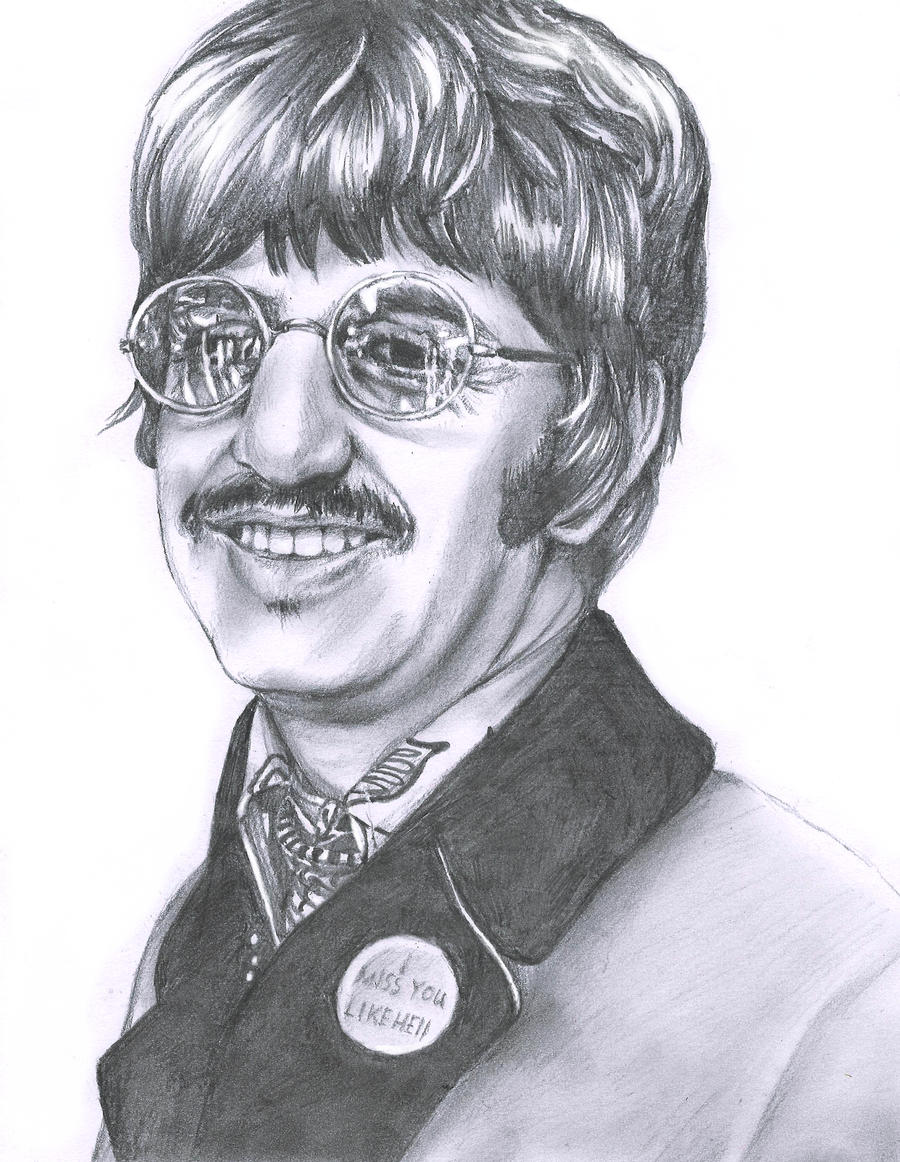
Original Beatles fan art by Matthew Heisler

Friday, March 1, 2013

Sun King

Richard Furnstein: Let's welcome another creamy sunrise, brought to you by The Beatles. Their heliotropic tendences were previously on display in the energizing bounce of "Good Day Sunshine" and the welcoming of the first blast of spring in "Here Comes The Sun." The only relief from the overwhelming feeling of loss in "I'll Follow The Sun" was the image of the sun as this unattainable state of love and happiness. The rooster's crow in "Good Morning Good Morning" underpins the tension, hope, and tedium of the start of a new day. "Sun King" is a lovely ode to five in the morning. The crickets are slowing down, ready to surrender their rhythmic grip on the night. There is nothing but promise and hope at this time of day. The taxpayers are starting their early morning routine. The babies are gazing into their mother's eyes during the morning feeding. The Beatles always represented total renewal: each new Beatles album was a rejection of their previous take on pop music. These four supermen were there to gently guide mere mortals through life. "Here are the tools that you will require to pass through this world, children. It's so fine, it's sunshine. It's the word, love. Carry on with love."  

Robert Bunter: "Sun King" strikes a deft balance between parody and sincerity. On the one hand, the implied image of an exotic tropical people greeting their primitive deity and chanting gibberish could have been lifted from the pages of "A Spaniard In The Works" (one of Lennon's wordplay-and-doodles books). At the same time, the mood established is one of genuine joy and warmth. It operates as a bit of a companion piece to "Here Comes The Sun," which precedes it on side two of Abbey Road. But where George's sunsong finds him exulting in the joy and freedom that he can see in his solo life beyond the suffocating constrictions of the latter-day Beatles, John seems to be retreating into the beguiling yet illusory warmth of a languorous heroin nod. In his opiated mind, the smiling happy natives are greeting the life-giving sky orb and praying for a bountiful harvest. But in the real world? He's "asleep" with his head slumped down at an uncomfortable angle, barely supported by the atrophied muscles in his noodle-neck. The tendons are straining but he doesn't even feel it. Yoko is slumped next to him, in a similar state of numb dishevelment. They are in Ringo's small Montague Square flat which he's letting them use while construction is completed on their massive Tittenhurst estate. Above them on the wall is a condom filled with stale piss that Yoko tacked up as a conceptual art project. I'm sorry, but these are the facts.  

Richard Furnstein: I just checked Lewisohn. You're actually telling the truth. However, I'm willing to give John Lennon some credit for the wonder and optimism of "Sun King." Think about it: Lennon's songs on Abbey Road are pure vampiric misery, "Come Together," "Mean Mr. Mustard," and "Polythene Pam" are full of dripping, elderly perverts and "I Want You (She's So Heavy)" presents a desperate vision of codependent love. I'm willing to blindly accept the optimism and romanticism of "Sun King." If nothing else, I don't want Lennon to continue to disintegrate into the lurching horror figure of the "Come Together" villain. I want a future of Imagines and Beautiful Boys. I want to believe that Lennon is welcoming the new day with songs like "Sun King" and "Because." Time to open these blinds, Yoko! Let's clear out these room service trays. Throw those resin-caked spoons in the dustbin, love. I hear they are serving waffles in the lobby until 11. C'mon, grouchypants. You love waffles. We'd better hurry!

In John's opiated mind, the smiling happy natives are greeting the life-giving sky orb and praying for a bountiful harvest. But in the real world?


Robert Bunter: That’s a beautiful image. I can imagine a white pajama-clad John gallantly operating the make-your-own waffle station as smiling Yoko wipes the dreams from her eyes. A few startled fans wander over. “Is it really him?” “Why, of course it is! Would you like them extra brown? How about a dab of huckleberry jam and powdered sugar? It’s natural!” Yeah right Richard, get into the real world. There was no waffle station at Ringo’s Montague Square flat. It was an apartment, not a Days Inn. Do they even have waffles in England? Let’s focus on the music. This song is cut from the same cloth as “Don’t Let Me Down” and “Hold On” from the Plastic Ono Band album. John seems to have discovered hard drugs and how to flip the tremolo switch on your amplifier and go from an E to an F sharp minor at approximately the same time. I’ll tell you what this track reminds me of: the Beach Boys’ “Smiley Smile.” It has the same prominent organ (!), lovely harmonies, goofy humor and heavy-lidded stoner haze.  

Richard Furnstein: I definitely hear the connection to the half-realized jokes and weirdness of "Smiley Smile." The other obvious connection is to Fleetwood Mac's "Albatross." The Beatles lift heavily from Peter Green's composition, referencing the song's reverb-drenched atmosphere and the storm-like undulations of John McVie and Mick Fleetwood. The Beatles rise above the mentally unstable yet dreamy textures of classic Mac with a lush wall of harmonies. Then, in order to separate themselves even more from England's new sensation, Lennon, McCartney, and Harrison toss out a series of playful Italianglish terms. It's as if they were returning once more to assert their dominion over Europe. Where The Beatles once recorded their popular hits in German (“Sie Liebt Dich” and “Komm Gib Mir Deine Hand”), they soon realized that Beatles was in fact the universal language. Kids in Arizona related to their dank London vibes. Beatles tapes and blue jeans were the foundation of the Russian black market. "The Inner Light" plays over a supermarket P.A. in Vishakhapatnam. Some guy in Zimbabwe picks up "I'll Get You" on a transistor radio. It's real.  

Robert Bunter: You’re right, that’s a really valid point that has a lot to do with the song “Sun King.”

Monday, October 1, 2012

I Am The Walrus: Part 2-Standing In The English Rain


Richard Furnstein: “I Am The Walrus” starts innocently enough. That is, if you consider acid-tinged marmalade leaking from a mildew covered carnival tent as innocent. The first few seconds are completely unsettling: keyboards blink on and off while Ringo shakes a leather satchel filled with rat bones. Suddenly, a flash of bats swoop down along with George Martin’s menacing string figure. Welcome to the nightmare. Lennon throws in some crippling shadow-play (“I am he”) and the listener is left trying to decipher the voices in his fractured mind. I’d argue that he didn’t need to introduce his ugly parade of pornographic priestesses and sun-deprived English gardens to let us know that things are slightly askew. The music—alternately playful and imbalanced—does the job for him

Robert Bunter: The sounds are weird. How did they do it? The bare-sounding demo versions that have escaped on bootlegs and Anthology 2 show that a lot of credit must be awarded to staid, conservatory-trained producer George Martin. His strings and horns perfectly complement the air of menacing dementia that John’s songwriting had already established. How many people did it take to create this song? The four Beatles, a handful of studio personnel, and perhaps a few dozen button-down session players and a choir … let’s say thirty. It feels like every single one of them (even gentle Ringo and the benign, sweater-clad cello players) is staring directly into the listener’s terrified eyes in an unthinkable psychic assault. Listen to those drum fills and try to imagine the pleasantly-downcast Ringo-figure from the “This Boy” segment of the Hard Day’s Night film. You can’t do it. That melancholy chap has seven eyes and a rainbow-colored cloak and his face smells like chrome STOP STARING AT ME RINGO STOP STARING AT ME EGGMAN AAAARrrrrrrggggggggggggggh???!?

Keyboards blink on and off while Ringo shakes a leather satchel filled with rat bones.

Richard Furnstein: You forgot the British actors drolly delivering Act IV, Scene VI of Shakespeare's King Lear and whatever other found sounds and music were plucked from the BBC acmon. Oh, and the trusty Mal Evans who probably delivered the tea, crisps, and purple windowpane segments to this cackling bunch. That's like a busload of people focused on giving the world this sinister and degenerate mess of art. The song's sound effects and string and horn lines simultaneously mock and hector the listener. At its core, "I Am The Walrus" is a children's comedy record, but one delivered with the shaking, sweating, and pulsing white eyes of a horrific nightmare.  Are you awake? Can you see that trembling mass in the corner? I swear, there was a  shadow man in the room. He told me that he is waiting for the van to the next dimension to come. Hold me.

Robert Bunter: The vocal track is slightly overdriven and ADT'd, which emphasizes the harshness of the alliterative consonants ("Pretty little P'Liceman," "Dripping from a Dead Dog's eye") and stretches the vowels into impossible dimensions ("I'm Cryyyyyyyying").  Speaking of which, "I'm crying" is a totally incongruous sentiment, delivered in John's characteristically breathtaking falsetto register. I mean, this demented walrus is haranguing the listener about incomprehensible mind-riddles, when he suddenly announces that he's crying (actually, he says "I'm crying / I'm crine / I'm crying / I'm cry") Is this a shift of perspective? Perhaps John is assuming the role of the terrified listener for a brief moment. More likely, he was just dredging around in the depths of his consciousness and stumbled onto the primal pain that was always there. It's possible that all this listener-terror is actually misplaced, that John was really singing to HIMSELF. But who is he? "I'm crying." "I am the walrus." Is the walrus crying? He is we as we are he. The shifting identities that underlay the Sgt. Pepper's Lonely Hearts Club Band concept and the acid-induced ego confusion of "Strawberry Fields Forever" reached a peak with "Walrus." I don't think John ever got this far out again; even the ominous "Revolution 9" sound collage had a certain experimental air of art-music detachment and opiated languor. "I Am The Walrus" is the unfiltered audio soundtrack to the nightmare that was John Lennon's fundamental brainspace.

Richard Furnstein: I think you nailed it. "I'm Crying" is the pain and suffering1 that underlies John's stream of riddles and horrorshow apparitions. The verses to "I Am The Walrus" find John stumbling around chilly and unfamiliar dreamscapes. Each ending with an altercation with dream reality. A deus ex machina, if you will. In this sense, one can look at "I'm Crying" as a mantra to return our troubled storyteller back to the start (troubled drag-addled adult->emotionally distant teenager->the collapse of childhood felt in his mother's death->Aunt Mimi's strict and steady hand->loss of his seaman father->the Strawberry Fields aether). "I'm Crying" is therefore the removal of the mask (why else would one have to declare that they are weeping?). It's the exposure of the emotion hiding under the distance hinted at in the lyrics. George Martin's primal rock n' strings swell under this raw demonstration to mimic the brain swell that accompanies these moments of clarity. You can't just declare "I love you" or "I'm mad" without the brain releasing five thousand mind warriors to chill your spine. The orchestration does an excellent job of covering the various emotions presented in "I Am The Walrus." Some highlights include the previously mentioned release of bats, the chugging and prideful cellos that underpin the suspension in the verses, and the playful interplay of the melody and orchestration on "singing Hare Krishna."

Robert Bunter: Ha! We sound like intellectuals, "reading too much into it," the kind of people John was mocking with "Walrus" (and later, "Glass Onion"). "A deus ex machina, if you will." Hoo boy. Let's briefly take a closer look at the musical side of this thing before we go off the rails. A few quick observations: the chord progression is unlike anything that came before or after, perfectly complementing the lyric's mood of unsettling fear. John's voice hits some nice blue notes (like the "together" in the line "We are all together"); even in the midst of his primal nightmare, he was a committed rock and roller. The bridge ("Sitting in an English garden") has no right to call itself a bridge; it's a totally baffling intrusion into a song structure that was already fractured. The creepy choir that sings "Oooooooh," "Ha ha ha / Hee hee hee," "Stick it up your jumper" was a nice touch. Anything else? I'm about ready to leave this one behind and get deep into something like "I Don't Want To Spoil The Party" or some Please Please Me outtakes.

Richard Furnstein: The verse progression is completely baffling. It seemingly follows the same stabbing logic that Syd Barrett would employ on early The Pink Floyd singles. The bridge is, without a doubt, the scariest moment of the song. The chorus dissolves with a cleansing wash of clockwork and magic into a more menacing return on the bats. Lennon presents his most confounding riddle yet: "Sitting in an English garden waiting for the sun/If the sun don't come you get a tan from standing in the English rain." It's a highly improbably scenario and is presented like a forgotten meter of poetry (John's return to his early period monosyllabic focus in the second line). The English tan concept is the indicator that we are in a land where "nothing is real" while Martin's strings underscore the feeling that Lennon is indeed laughing at us. And, frankly, we deserve it.

I'm with you. I feel like I need to listen to "Chains" or "P.S. I Love You" to cleanse the pallet after thinking about this one for about two weeks. Grandma, take me home.


1Is the "yellow matter custard" actually the Lynchian construct garmonbozia?


Original Beatles fan art by Joshua Newman