Showing posts with label Exotic Drugs. Show all posts

Friday, January 16, 2015

Every Little Thing

Robert Bunter: This song (from 1964’s Beatles For Sale LP) sits solidly among the late early period (or the early middle period). The acoustic textures, chiming 12-string guitars and harmonic maturity point the way ahead to Help! and Rubber Soul, but the simplistic boy-girl lyrics seem to be a relic of an earlier time. This is one of those songs where I can’t quite tell who was the primary songwriter, and I’m not going to cheat by looking it up. John and Paul blend their voices in practiced unison on the verses, although Lennon seems to dominate. In the chorus it’s the opposite, with Paul’s high harmony in the foreground. The absence of barbed lyrical wordplay and edgy expressions of hurt and anger lead me to believe it was Paul. What do you think Richard? Am I right?

Richard Furnstein: You are deep in the groove in this one, old friend. It was written by Paul but sung by John. This bit of rock and roll masquerade fits nicely next to Ringo's "Honey Don't" on Beatles For Sale; the Carl Perkins song used to be sung by John back in the rock and roll toilet days. I hear "Every Little Thing" as the last Beatles tribute to the American girl group sound that dominated the first two albums. That's why I think Lennon is the perfect lead on this track; he absolutely captured the angst and fury of the girl groups in their early repertoire. "Every Little Thing" is definitely one of those minor but pleasant transition numbers for the group. Imagine "Every Little Thing," "You Like Me Too Much," "It's Only Love," and "Tell Me What You See" comprising an extended play in early 1965. These songs find the band stretching out ever so slightly. They just lack the inspiration and pharmaceuticals to blast off to the next level.
Throw a Lennon wheezing harmonica over the instrumental breaks and I'd be in heaven!

Robert Bunter: I will imagine it. [pause] Wow! What a terrific EP! The prospect of hypothetical should-have-been Beatle records from this period is intoxicating. Of course, they did what they did and it stands perfectly as it is, but if they’d taken just a few different steps, we might have had even more and better discs to cherish. How about this scenario: John explores his nascent interest in downhearted Dylan-influenced folk rock on a solo LP. Meanwhile, the boring ‘50s rock and roll crap on Beatles For Sale gets shunted off to an EP, to accompany the early ’65 just-starting-to-spread-their-wings EP you described above. So where does that leave Beatles For Sale? I’ll tell you where: with another dozen bracing, innovative rockers like “I Feel Fine” (released alongside Beatles For Sale as a standalone single backed with “She’s A Woman.”) Here are the titles: “Without Love,” “Think About It,” “Take A Number,” “You’ll Always Know,” “After Someone,” “Call To Her,” “Until Another Time,” “Suit Yourself,” “Your Love Is Still Here,” “Look Out My Door,” “Every Letter” and an uninspired 12-bar-blues instrumental called “Squeaky.” Beatles For Sale? I’M BUYING.

Richard Furnstein: What a pants-shifter of a dream, my dear pal. Your album of mid-period mediocrity would have surely been a huge hit with the power pop universe of grown men in ill fitting dungarees singing vague songs about teenagers in love. Imagine if Matthew Sweet or the jugband cretins in Brinsley Schwarz grabbed hold of another cache of indifferent 1964 Beatles songs. It's easy to think about the "what if" scenarios in the Beatles For Sale/Help! era as the exhausted band was trying to find the next big thing while legions of Americans with shaggy haircuts and Rickenbackers were approaching their throne. Beatles For Sale is a little unsettling because the band isn't quite sure how to set themselves apart, both in terms of songwriting and the sonic touches. The mopey-Lennon-does-Dylan direction has promise but little box office appeal. Beatles For Sale was definitely rushed for Christmas delivery, so even the production innovations and mood swings from A Hard Day's Night are largely absent. "Every Little Thing" has more of a spark than most of the songs on this set, but it suffers from a drag on the verses, dopey lyrics, and stale 12 string touches. I'd love to hear a version of this with a bit more of the With The Beatles amphetamine flexing. Criminy, throw a Lennon wheezing harmonica over the instrumental breaks and I'd be in heaven!

Robert Bunter: Yeah, but these are all just so many pennywhistles and monkeydreams. Let’s keep our feet on the ground in the real world and deal squarely with the plain facts: Beatles For Sale served up a relatively lean meal and left listeners wishing for more. It’s a nice album to discover tucked in the back of the cupboard after you’ve gorged yourself sick on the more immediately appealing platters, but when push comes to shove you’re left sitting there with an empty bowl and some crumbs stuck on your face.

Richard Furnstein: Welcome to my lifestyle, mon frere.

Friday, March 14, 2014

Tomorrow Never Knows

Richard Furnstein: The siren call rips through the pitiful black and white landscape: drooping trees, soggy undercurrents padding morning lawns, gray waves of houses, resilient concrete patches. We had no reason to expect this. Indeed, “Tomorrow Never Knows” came out of nowhere. It is recognizable as a pop song but really has no sonic or thematic antecedents. “Tomorrow Never Knows” is more of a tense loop of raga, supporting a suspended loop of film. It suggests a build of towards a shocking act of violence, but never quite truly releases. The grainy image of a man’s grimacing face as he lunges forward quickly reset in a comical jerk, only to start again. The fool! He’ll never get there. Here we are and there we were and now we are back again. 

Robert Bunter: Yeah. It would be fair to call this track "acid-influenced," but more in the sense of actual corrosive pH <7 aqueous solution than the LSD that actually inspired it. John, newly-introduced to the world of mind-altering drugs, had a copy of Timothy Leary's translation of the Tibetan Book of The Dead, in which Leary updated the ancient instruction manual for navigating the afterlife into a set of instructions to help acidheads avoid bad trips. He recorded his own voice reading the instructions on a primitive three-track Brunnell reel-to-reel, then ate the drugs. It was probably not the actual text as much as the sound of his own disembodied voice that blew his chemically-enhanced mind. The Lennon-reads-Leary home tapes remain the unreleased holy grail of Beatles bootleg collecting, along with "Carnival of Light," Ringo's "Welcome To My House" and the actual audio of George Martin's voice over the studio talk-back mic saying, "Gentlemen, you've just recorded your first number one" from the "Please Please Me" sessions.

Richard Furnstein: The fascination with the Tibetan Book Of The Dead was classic Lennon: a desperate embrace of the exotic along with a simple philosophical solution. It also highlighted the specter of death that wrapped tight around The Beatles during this period: from the grisly album cover shoot for the U.S. release Yesterday and Today featuring our stoned heroes draped in chilled flank steaks and glassy-eyed dolls to the media's questions about an official Beatles policy stance on the Vietnam War. Once again, The Beatles were in transition. Where in the past they were caught between their working class roots and their sudden fame, they were now in the grey area of various metaphysical states: life and death; knowing and unknowing; ascent and descent. Lennon sets up this delicate balance in the indecisive and mysterious lyric of "Tomorrow Never Knows": "Relax, turn off your mind and float downstream/It is not dying/It is not dying." It's clear we aren't scaling the misty mountains of Tibet. Instead, we're on a brightly colored sail boat in the narrows of the Mekong River, held afloat by murky waters. Mysterious, diseased clumps drape around the paddles (leaves? vines? meat? doll limbs?). The banks of the river are full of even more mystery as the sweltering, interlocking mass of vegetation seems to breathe and blink. Your weary fatigues read "DEADMAN" while you blink through a reassuring trickle of sweat. Don't get too comfortable, you are alive. 


Robert Bunter: Your Vietnam imagery is valid as usual, although it is safe to assume that Lennon’s geopolitical awareness at this point was shallow and uninformed. I’m sure he was unhappy to read about mounting body counts and atrocities as he scanned the Daily Mail over his morning cornflakes at Kenwood, but the Vietnam War that would eventually become part of his generation’s collective memory thanks to Oliver Stone and Francis Ford Coppola (handsome young men tromping through bright green jungles with stuff written on their helmets while “Nowhere To Run” or “Purple Haze” plays on the soundtrack) didn’t exist in 1966 unless you were there. I think it’s more likely that the abrupt about-face of “Tomorrow Never Knows” was equal parts psychedelic drugs and the hubris of genius. You can imagine how much fun it was for the twenty-something Beatles to make these bizarre, unprecedented noises in the studio, knowing that they would blow the minds of LP listeners the world over. The message of psychedelic consciousness and Eastern philosophy basically boils down to “we’re all One, the ego is an illusion.” How ironic that Lennon chose to declare this to the world by adopting the persona of an enlightened prophet on a mountaintop delivering inscrutable platitudes to the masses, in the context of a ground-breakingly innovative pop album. Yeah, right, great job destroying your Ego, Jesus Lennon. Maybe you still need a few more sessions.


Richard Furnstein: Without a doubt. Certainly, Ringo's ego was through the roof during the first studio playback of the "Tomorrow Never Knows" basic track. A million miles away from the garbage can plod or tambourine enhanced rattle of contemporary pop records, it was clear that Ringo's bass drum was the mountaintop from which John addressed the pathetic masses.The snare is similarly massive: a hollow shot pulsing through the streets on a winter morning. The cymbals suspend in the air like a hesitant plague of locust. In contrast, the tambourine track for most of the song is a delicate eastern accent; the shift to a sloppy rhythm in the end of the song is one of the few textural shifts in the production. In many ways, we need the steady ground provided by the rhythm track. Sure, it's scary and edgy, but it clearly isn't going to let us fall from the heavens. 

The phased out drum track on the version on the Anthology set is more grounded (i.e., you can actually imagine a human being playing it without the assistance of magick or synthetic properties) while exploring an equally innovative pattern and sonic balance. Both versions redefine the use of a core rock and roll instrument, much like the treatment of the bass on "Paperback Writer." In the context of "Tomorrow Never Knows," however, the startling drum track is a piece along with the cacophony of bleeding seagulls, loping bass guitar, reckless violas, and raga droning. "Tomorrow Never Knows" is the perfect balance of the uptight looping rhythms along with the accidental harmonic inventions of the cut-and-paste foundation. There is nothing deliberate in this wash of sound, yet everything is perfect. The Beatles would take this concept further with the chance transmission of a BBC performance of King Lear providing the nervous edge of the finale of "I Am The Walrus." All of this beauty had to come from somewhere, as impossible as that seems. 

Here we are and there we were and now we are back again.
Robert Bunter: Yeah, the use of random chance and unidentifiable tape loops was both sonically and conceptually appropriate. I think it was Paul who told all the Beatles their homework assignment was to record random sounds and bring them back to the studio the next day. John ended up providing the backwards trumpets which provide the distinctive “psychedelic seagull” sound. George contributed the Technicolor orchestral washes that crop up every so often, courtesy of an old BBC broadcast. An uncharacteristically inspired Ringo tried to record himself gargling with his beloved Heinz beans and then play it backwards, although these tapes unfortunately ended up on the cutting room floor, along with the beans. These strips of tape were physically cut and looped back on themselves so they would repeat infinitely. These sounds were all going full blast at the same time, but by moving the faders up and down on the mixing board, the Beatles and their studio crew were able to deploy them strategically as needed. The guitar solo was Paul’s otherworldly “Taxman” break, played backwards. Of course, it goes without saying that these studio techniques were light years ahead of what the Beatles’ so-called “contemporaries” were into. Mick Jagger had just figured out that he could pinch his nose for a contrived “carnival barker” vocal tone on lame psychedelic music hall filler like “Something Happened To Me Yesterday” and maybe Brian Wilson was using some extra harmonicas to double the bassoon parts on his latest sappy ode to his wife’s SISTER while he’s still married to his wife and she knows damn well what those lyrics are about. Get the hell out of here.

Richard Furnstein: And that was just the "hep" community. Imagine the sad American teenager, with his cracking beatle boots and reckless hair style. This pathetic half-man was just turned onto marijuana by Rubber Soul (look at the dangerous tilt of that album sleeve; listen to the slow drag on "Girl") and now Lennon was beckoning him to crawl further inside his mind and listen to the colour of dreams. He was hopelessly behind the times once again. Luckily, the back cover of Revolver provided a visual guide to help their fans through the Lysergic experience. The photo features the fab four wearing expensive sunglasses, seemingly sharing a joke. Ringo (everyman) is at the center of the circle. His stunned smile and disengaged body language suggests that he is having a psychedelic experience. It's almost as if the lenses of his sunglasses are displaying startling technicolor fantasies. It's a casual and lighthearted photo, but there is something unsettling about the composition. It's as if John, George, and Paul are psychedelic manifestations of Ringo's trip. The figures flank the short and childlike Ringo. They all seem to provide a role in Ringo's psychedelic voyage. The always adventurous and malicious John is clearly encouraging him to go further into his mind. He's dressed in a psychedelic frock, suggesting he has passed through the prism and has been realized as a spangled cosmic manifestation. George is dressed like a cowboy, a grounding influence on Ringo. We can look at him as the counter figure to Lennon, perhaps the gentle spirit guide. Paul looks on with a stoic expression. He's the expression of reality. He seems to be concerned about Ringo's voyage (and the draw to the cackling Lennon figure). Naturally, Paul found greater comfort in the earthly delights of marijuana than the mind expansion of psychedelics. 

Robert Bunter: That’s just exactly right. Humble, homely, slow-witted Ringo represents YOU, the listener. The Beatles are extra-terrestrial divine avatars who are rearranging your synapses with their disorienting sonic distortions of context and perspective. You’re just sitting there in slack-jawed wonder, grinning at the pretty colors one minute, then suddenly cowering from the bleeding, diseased furniture and dissolving wallpaper. Everything in the Universe is one undivided entity of awareness and Ego is an illusion and we’re all one. The Beatles instructions to “turn off your mind” are redundant. They already did. I hope you have one of those automatic tone-arm return mechanisms on your record player.

Wednesday, September 4, 2013

Strawberry Fields Forever


Richard Furnstein: An absolute and perfect work, “Strawberry Fields Forever” is the The Beatles at their best. It represents the peak of their songwriting craft, George Martin’s production and arrangement work, incidental and exciting floating instrumentation, and the unlimited creativity of the psychedelic era. Hell, I’d contend that it is the greatest creative work of the 20th Century. I feel weird dumping our typical giddy hyperbole on this masterpiece. Indeed, “Strawberry Fields Forever” has little connection to its only true sonic or songwriting antecedents (“Tomorrow Never Knows” and “In My Life,” respectively) as Lennon doesn’t reference or build on these prior works. Rather, he devises an entirely new language to tell the story of his brain. “Strawberry Fields Forever” is a completely unique animal; emerging tattered and strange from the ornate gardens of the mind. The song isn’t in the key of A; rather, it’s in the key of Air—a menacing and fragrant gas which disables the feeble human synapses and filters and resets the landscape below.  

Robert Bunter: Yeah. It’s an altered mental state. The unfamiliar instruments (Mellotron and some kind of zingy Indian harp), the tapes played backwards or slowed down, the improbable yet beautiful chord changes, the trick ending – they not only illustrate the lyric’s precise yet vague portrait of confused uncertainty, they evoke and induce it. The listener can’t help but viscerally inhabit Lennon’s haunted mindspace. I don’t care how mentally together and emotionally secure you are, when you hear this song, you know what it feels like to be a rich, unhappy, drug-addled human genius full of pain from the past, fears for the future and disorientation in the present. Objectivity dissolves. Lennon was able to manufacture similarly hallucinogenic effects on his other two attempts at audio drugs (“I Am The Walrus” and the aforementioned “Tomorrow Never Knows”), but what elevates “Strawberry Fields Forever” is the beauty. It shines through the confusing textures like a warm smile inside of a nightmare.

Richard Furnstein: The nightmare was certainly displayed in the promotional video for "Strawberry Fields Forever." The clip displays the band's new look--a combination of Victorian and lurid clothing, deviant facial hair, and the vacant, sad stares of internal psychedelic explorations. After an unheralded six months of creative chrysalis, they have emerged as underfed butterflies. There was nowhere to go but up: miles from the dull, patchy grass, through the pink smog, and into the pulsing light. Surprisingly, Paul McCartney is the most frightening figure in the video. His once friendly doe-eyes are lifeless (perhaps literally) and full of sorrow. Cloaked in a garish mustard-colored coat, he hops along the ground backwards and jumps into an expired oak tree. George and John have aged decades during their break from the public eye. Their gaunt bodies are hidden by technicolor fashions. Ringo looks the most familiar, but he is clearly searching for comfort in this strange world. The clip enters night during the slow, cello-drenched "no one I think is in my tree' verse. The tree is festooned with nylon spider web emerging from a piano. Is the tree fake? Is there truly nothing to get hung about in this caustic landscape? Ringo smiles with glee as they douse the piano in cans of paint. We (the viewers) are similarly baptized in these colorful new structures. Surely, everything that came before had to be scrapped as useless. This was it.

Robert Bunter: It wasn't just the video. The lyrics themselves are addressed directly and personally from the John-figure to YOU, the listener ("Let me take you down"), just like "I'd love to turn you on," "Isn't he a bit like you and me?", "Can you hear me?", "There's nothing you can do that can't be done," "You can syndicate any boat you row" and so many others, all the way back to "Oh yeah I tell you something / I think you'll understand." This approach would come off has presumptuous (at least) in the hands of a lesser artist, but John and the Beatles were confidently aware that they occupied a special place in the consciousness of their listeners. So, after a gracefully genteel Mellotron prelude, the lyric begins with our old friend John disarmingly offering to let us join him on a trip to Strawberry Fields. Informed fans know that this was the name of an orphanage just around the corner from John's childhood home in the Liverpool suburbs, where a young Lennon was fond of listening to the sprightly tubas and cymbals of the Salvation Army Band each summer at the annual garden party. One can even imagine the domineering young lad rounding up his neighborhood chums on the way to the fair by saying something like "Let me take you down 'cause I'm going to Strawberry Field" in a cute little British accent. But obviously John is working on a different level. He informs us that "nothing is real" and, more alarmingly, "nothing to get hung about." This casual, ho-hum attitude towards the existential riddles with which John confronts us - "It doesn't matter much to me" - is almost as terrifying as the cellos, reverse-time drum loops and old-man moustaches. 

Richard Furnstein: I beg to differ. John was not entreating the listener to take a "trip" down to the halcyon Strawberry Field. Instead, he was warning the listener that he was about to tell them the sad story of his shattered childhood ("let me take you down"). It's significant that he set this alleged idealist piece of nostalgia in an orphanage as he was finally ready to tell the story of a mother who left him (and then suddenly died in a senseless accident as she decided she was finally ready to become a stable figure in his life) and an absentee seaman father. In "Strawberry Fields Forever," John envisions himself as a ward of the orphanage rather than merely a visitor to its lush gardens with his caretaker Aunt Mimi. John realizes that he is nothing more than an unwanted child, despite the best efforts of Aunt Mimi and Uncle George to create an illusion of stability and normalcy following his primal scream trauma (the loss of his parents). Indeed, "living is easy with eyes closed" suggests both John escape from his loss as he retreats to his rich and fractured imagination and Aunt Mimi's well-meaning illusion of a normal Liverpool family. Perhaps as an orphan, John could have realized a greater sense of connection to humanity ("no one I think is in my tree") in an age when traumatized children didn't receive psychiatric care. He was hiding his internal damage caused by the loss of his parents to the world rather than wearing his injuries proudly as a state-declared orphan. The casual mention of "nothing to get hung about" suggests that suicide is the only way to really stop the bleeding. John would be more emotionally direct in revealing his pain during his raw early solo years ("Mama don't go/Daddy come home" and "One thing you can't hide is when you're crippled inside"), as he finally received the therapy and time for self reflection that he desperately needed. However, the grace and poetry of the pain in "Strawberry Fields Forever" is somehow more startling than the grotesque exposure of those later lyrics.

Robert Bunter: The shattered childhood material is all there, but it’s subtextual – indicated only by the title/refrain’s mention of an orphanage and the track’s pairing with McCartney’s “Penny Lane” as an explicitly two-sided meditation on their shared Liverpool roots. The sad little chap, squinting nearsightedly at the merry Salvation Army band and stoic war orphans of early-‘50s England is now grown up. His already hyperactive mental/emotional/spiritual Self has been rocketed to the highest levels of wealth and artistic acclaim, then magnified and distorted through his copious use of advanced pure mind drugs of the highest pedigree. The Beatles just made the decision to stop touring and John, at loose ends, decides to accept a minor movie role and spend a few weeks filming in Spain. During the interminable waiting periods between takes, he gently strums an acoustic guitar and ponders the uncertain future of his career as a Beatle, his stultifying, dead-end suburban family life with Cynthia and Julian, and, yes, the bleak reality of his broken youth. The primal, crucial questions of his life loom inescapably as he struggles to decipher their answers through a haze of THC and boutique-quality lysergic acid. Am I a madman or a genius? What is real and what is illusion? How can I maintain my integrity and awareness in the face of so much pain? It is startling to hear the John-figure -- so accustomed to delivering pronouncements from on high, flashes of righteous anger or cutting wit -- lost in melancholy confusion. Who is this politely confused old man with the granny glasses and moustache, singing “I think I know, I mean, ah yes, but”? Surely not the same confident authority figure who had (quite recently) commanded us all to turn off our minds, listen to the color of our dreams and say the Word.

The beauty shines through the confusing textures like a warm smile inside of a nightmare.

Richard Furnstein: It's easy to imagine John languidly strumming this chord progression on the set of of How I Won The War. Literally and figuratively in a foxhole during the making of Richard Lester's dark comedy, Lennon was nervously awaiting the next development in his life. "Strawberry Fields Forever" was a bold and risky direction for the songwriter: he was exposing himself (emerging from the foxhole) to the rewards and risks of its creation. The glorious demos for "Strawberry Fields Forever" reveal the endless options of this strange composition. A Beatles fan could spend a decade in the stark and gentle productions of these early versions (combined and compiled nicely as part of the Beatles Anthology). Later in his life, Lennon claimed to be unhappy with odd patchwork of lushness and strangeness that was unleashed to the world like a psychedelic Frankenstein's Monster. You can almost understand his concerns because the final product--while pure brilliance--was so unusual and seemingly incongruent with his original vision of the song.

Robert Bunter: The story of how “Strawberry Fields Forever” was pieced together from wildly different takes in the studio is one of those Beatles stories that have been re-told in every book and documentary film, but I’ll briefly summarize it here. The song was first debuted to George Martin as a solo voice and acoustic guitar demo that George Martin later said was “utterly breathtaking” even in a completely unadorned state. Since it was the height of the studio experimentation phase, however, they clearly couldn’t let it go at that. John asked Martin to score the track for cellos and trumpets, and the resulting take was utterly striking and unique. John still wasn’t satisfied, however, and suggested they start from scratch with a more ponderous, heavy rock version that emphasized Ringo’s drums. This, too, was an artistic triumph. John still felt something was missing and asked Martin to join the two takes together. The staid, conservatory-trained producer nearly fell from his velvety-cushioned rotating studio chair with incredulity at Lennon’s inexhaustible naivete. “But John! They’re in completely different keys and tempos! What you’re asking is impossible!” But John just smiled and gave him “that look” and said, “Oh, I know you can do it, George” and floated away before his very eyes (actually, this was accomplished with a simple series of ropes and hidden pulleys arranged over the studio rafters by assistant Mal Evans and Ringo). Martin, suddenly alone in the cavernous studio space, racked his brain for several hours before he thought of the (totally obvious) idea to slow down the faster one a little bit and then speed up the slower one slightly. Miraculously, it worked – the keys and tempo matched perfectly. This is the reason John’s voice sounds more druggy and strange in the later verses. It may be difficult for a non-musician to understand just how startlingly unlikely it would be for that to work.

Richard Furnstein: John's voice also sounded more druggy because he was consuming Olympian doses of d-lysergic amid at the time. Martin's role was clearly to translate a madman's babbling for the Top 40; seducing happenstance with a surgeon's steady hand. Indeed, the studio trickery of the "Strawberry Fields Forever" master is more than mere psychedelic colouring (think of the BBC airwaves captured during the chaotic "I Am The Walrus" fade or the swarming clavioline that haunts "Baby, You're A Rich Man"). It is an essential element of Lennon's storytelling. He once implored us to "Listen to the colour of your dreams"--a nice enough sentiment--before taunting "It is not leaving." In other words, we have reached the point of no return. The dripping many-eyed iguanas and undulating mindwave trails are here to stay. Are you in or are out?  

Robert Bunter: I'm out. There's too much more to say, and we've already gone on too long. Maybe we'll do part two someday. Maybe. That would be a fine place to talk about the fake ending, the Mellotron, and the fact that this and "Penny Lane" were pulled from the Sgt. Pepper lineup as originally conceived. Let's get the hell out of here.  

Richard Furnstein: Fair enough, old pal. This song is a burrito-as-big-as-your-head. Sometimes it is alright to get your fill and walk away. We're all adults here.

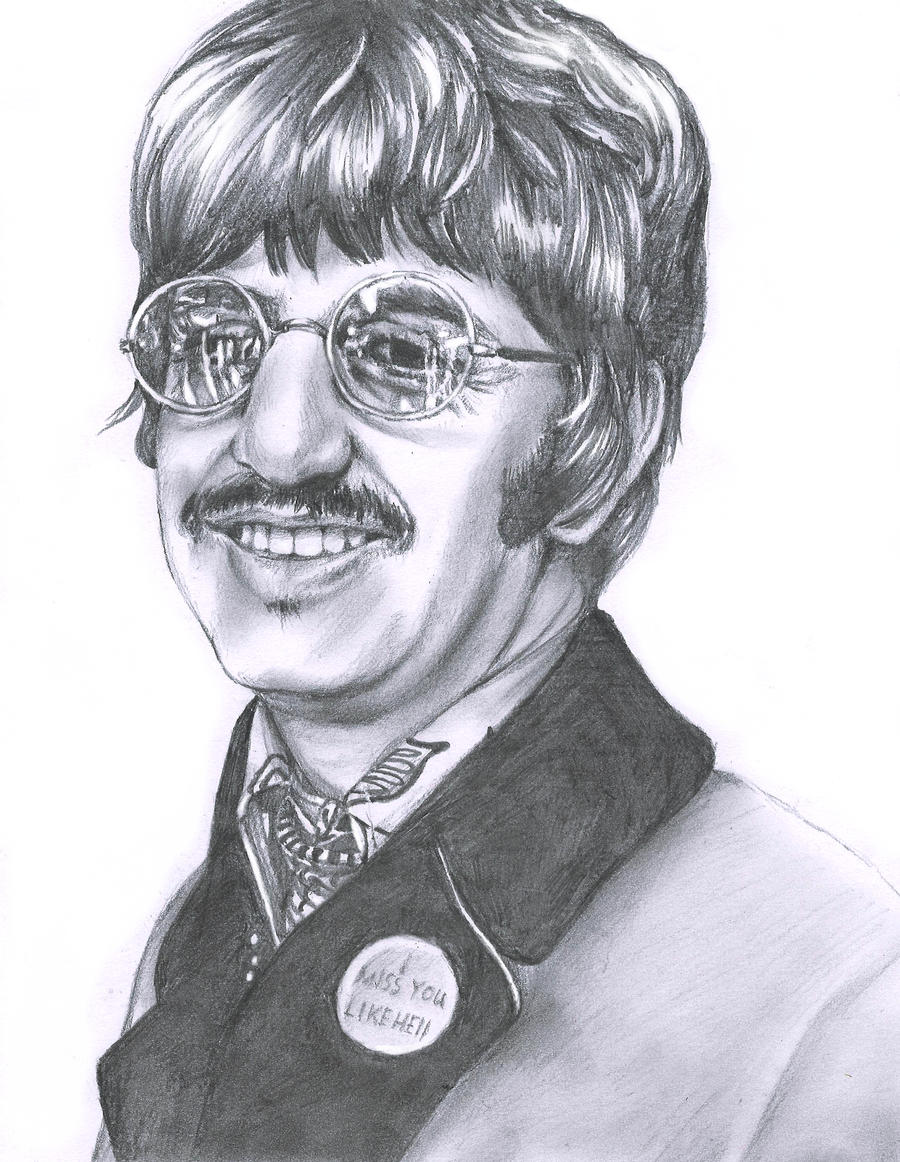
Original Beatles fan art by Matthew Heisler

Wednesday, March 20, 2013

All You Need Is Love

Robert Bunter: The year is nineteen something-or-other. Some guy invents satellite television technology, capable of using space machines to beam pictures and sounds across the entire globe! Then, in 1967, some TV producers decide to create a program for everybody. The climax of the show would involve the post-Sgt. Pepper Beatles, at the very height of their cultural influence and creative powers, performing and recording their newest single absolutely live, in real time, before an audience of millions. They had no reason to think that exponential leaps of genius and sophistication that marked the progression from "She Loves You" to "Yesterday" to "Tomorrow Never Knows" to "A Day In The Life" would not continue indefinitely; even the most curmudgeonly critics would have allowed that "if they keep on at this rate, their next record ought to be quite good!" Wonderful. Let's prepare the studio and order up some cameras and session musicians. "What are we going to do, lads?" asks staid, conservatory-trained producer George Martin. "I've got a little number that'll do nicely," said handsome Paul. And he sits down at the piano and plays a brisk minor key ostinato. "Let's all get up / and dance to a song / that was a hit before / your mother was born," he sings, and before he can even finish the next line, Ringo throws a large, heavy-bottom ashtray at his head. There were still cigarettes burning inside of it; Paul's brightly-colored satin blouse could have easily caught fire as he lay unconscious from the impact. But he deserved it. Can you believe that he actually offered up "Your Mother Should Know" for the Our World global satellite broadcast? No, I am not making this up. After Ringo threw the ashtray, John reached over and pulled on the back of Paul's hair as hard as he could, which really hurts when your hair is the length that Paul's was in summer 1967. Paul screamed (he sounded just like Little Richard, listen to the actual session outtakes on rare bootlegs!) and George took the opportunity to karate chop him in the lower ribs. There was no fracture but an ugly purple bruise about three inches below his nipples was there for weeks. Mal Evans poked him in the behind with a sharp cane. The playful locker room horseplay and brotherly tussles that had long characterized the Fab Four's studio sessions had taken a decidedly ugly turn. 

Richard Furnstein: Thanks, Robert. You set that up nicely. The Our World programme (program here in the States) was a talent show for the world. Each of the civilized nations with television technology provided entertainment (including comedy skits, Hungarian juggling, traditional dance, and songs) for the live broadcast. I'll tell you what, they should have just cut to the chase and shown "All You Need Is Love" twenty times. Can you imagine sitting through this endless program for three minutes of The Beatles? It must have been torture. They probably had teasers before each commercial break: "Coming soon: THE BEATLES live from England." That was that, you were stuck in your chair for hours, staring at some confusing samurai swordplay, hoping for the salvation from the greatest band on the planet. Suddenly, there they were! They looked just like the creepy aged faces on the cover of Sgt Pepper's Lonely Hearts Club Band (except John and Paul lost their progressive mustaches). While the Sgt Pepper's album cover's heaving forest of exploding flowers and garish frocks was drained of all its color in the broadcast, the array of beautiful people (plus Mal Evans), willing hippie women, and stuffy old English session players provided an even sharper view of the love revolution. Look, the Rolling Stones stopped by! The Pepper sleeve told us about that band. I should check them out at some point.

Robert Bunter: So, the group wisely decided against using Paul's less-than-stellar "Your Mother Should Know" in favor of John's anthemic mission statement "All You Need Is Love." It was a simple, catchy tune with a nice universal message that really rings true. Even Paul had to agree that it was the right choice for the TV program, after he regained consciousness with the bruises under his nipples and on his behind. And yet - "All You Need Is Love" ultimately represents a disappointment. Lennon was at his best when writing about his deep personal emotions and somehow managing to strike a chord of resonant universality with the larger outside world, on tracks like "In My Life" and "Nowhere Man." When he sat down to consciously address humanity ("The Word," "Give Peace A Chance," "Power To The People," all of Some Time In New York City), more often than not he was wont to trip over his own inflated ego and serve up a platter of stale broadsides. There were exceptions ("Revolution," "Imagine," "Isolation" and "Working Class Hero"), but I'm putting "All You Need Is Love" in the former category.

Richard Furnstein: Cut Lennon some slack. Do you think it was easy for him to relate to the common man? He couldn't sing of straight happiness or love; his emotional ideal was based on dependency and abandonment fear. His nightmares were full of horrific fanged visions. Yet, Lennon had an ongoing desire to make that connection. Hence, his worldwide plea for peace and love was anchored in familiar melodies ("Three Blind Mice," "The Song Of The Marseillaise," "She Loves You") and offset by a uniquely Lennon clipped verse melody. There you go, World: you've heard it before but you haven't heard it before. Do you love it? Of course, you do, it's got Keith Moon playing brushes on a snare while Mick Jagger wears a ridiculous Lennon face jacket. Forget Haight-Ashbury, "All You Need Is Love" resides at the corner of Fabulous and Lysergic. Time to clock in at the ol' drop out factory.


It’s no wonder the hippie dreams of the ‘60s faded into the clouds like so much happy smoke, leaving behind only the seedy crumbs and vague, burnt peanut butter stink of yesterday’s stash box.
Robert Bunter: OK, fair enough. Lennon was so advanced, he needed to simplify his message lyrically and musically so it could be understood by all humans, from the most urbane sophisticates to the most primitive children. As a longtime Beatle fan who falls somewhere in the middle, let me just admit that this song is on my list of skip-overs. I’ve been over-exposed to it my entire life. There it was on the 20 Greatest Hits cassette. Then I got it on the Yellow Submarine soundtrack LP. Then, there it was on the “Blue Album,” 1967-1970 and on Magical Mystery Tour. That’s not even counting its appearances on the latter-day greatest hits collection One and the trapeze mashup record Love. And the original 1967 single. And the Our World footage appearing in every single Beatles documentary, from the immortal Compleat Beatles to the Anthology. I’m sorry, but the song just isn’t that good. It was lazily written and poorly produced. It is lyrically oblique and musically uninspired. It’s no wonder the hippie dreams of the ‘60s faded into the clouds like so much happy smoke, leaving behind only the seedy crumbs and vague, burnt peanut butter stink of yesterday’s stash box. It was the Beatles’ job to write, perform and record a song that would unify the world and heal the lingering wounds under our nipples and on our behinds. Instead, John served up a platter of warmed-over fortune cookie riddles and Glenn Miller horn charts. The Beatles would record the necessary world-unifying track soon enough (it was “Hey Jude”), but they didn’t put it up on the satellite TV and therefore everything went down the pan until finally they broke up.

Richard Furnstein: Gosh, I'm surprised you didn't complain about Ringo's poor drumming performance in the broadcast video. Listen, I'm sorry if you can't appreciate Lennon's cool gum-chewing detachment in the dreary verses. It's too bad that you can't hear the beautiful swirl of the finale as a mantra (the fanatical George Harrison later claimed it was a "subtle bit of PR for god"). What about George's squeaky but emotional solo? If only you could delight in the cello driven string section, old friend. I think there's a lot to love here. It has always represented the excitement of the transitional points of The Beatles. While in many ways a retread of the sophisticated pop symphonies of Pepper, the weird combination of live and backing tracks alone make this a completely unique recording in the world of The Beatles. (Side note: have you ever imagined what the backing track sounds like on its own?) It's certainly not The Beatles' fault that this song was anthologized to death; it was merely a single with a worldwide premiere. A snapshot at the transition from the wide eyed lovers of life in Sgt Pepper to the garish confusion that marked the Magical Mystery Tour/Yellow Submarine era. The Robert Bunter I used to know would lament that we don't have a full album of these miracle sessions. Another branch in the mighty Beatles oak tree cut short by the changing seasons.

Robert Bunter: I’m not taking the bait. This track is weak and I think deep down everyone knows it. John certainly did; I would refer you to the following quotes: “[All You Need Is Love] wasn’t our best track” (Crawdaddy, 1971); “…a real low point, creatively speaking” (Rolling Stone, 1973); “Frankly, Dick, I was just phoning it in. Me heart wasn’t in it, we just figured we had to cut a track for the telly-vision program” (Dick Cavett interview segment, 1974); “Garbage? Yes.” (Creem, 1977). Now, I will grant you that artists themselves are seldom the best judge of their own work, but I think we ought to at least give him the benefit of the doubt. One little-known fact about these sessions is that the Beatles played oddball instruments on the backing track – John strummed a banjo, Paul thumped a double-bass and George scratched away on a violin. I will admit that I would love to hear those isolated tracks. They probably sounded like Flatt and Scruggs. VERY flat and Scruggs, that is! Look, the song is far from terrible. John’s assessments (“another steaming pile shoveled onto the dung-mound of our post-Pepper doldrums” –East Village Other, 1972) were overly harsh. I’m just saying this is ultimately a pedestrian effort that does not deserve to be numbered among the greatest hits. That’s all, Richard.

Richard Furnstein: Here's a quote I'm more interested in: "It was a fabulous time musically and spiritually"--Ringo Starr, poolside, Los Angeles, California, 1995. He's right, we're both wrong. Let's go get some Mexican food, old friend. I'm buying.

Thursday, December 13, 2012

Money

Robert Bunter: The first two UK Beatles records (which I like to call “Please Please Me With Love Me Do And 12 Other Songs” and “With The Beatles”) were obviously derived from the brutal, punishing live sets they’d been perfecting for years in a series of foul, damp basements, crime-infested German beer parlors and smoky dance halls. Cover versions of American R&B rarities cribbed from scarce imported 45’s dominated the proceedings, with the balance gradually tipping toward John and Paul’s original compositions. They’d toss in a show tune or ballad for effect, but for the most part the setlists were designed to keep a bunch of sweaty black-and-white film footage teenagers in Elvis Costello glasses and bobby socks jumping up and down for hours at a time. The first two albums were crafted from the same template – start out with a lot of energy, whip up the pace with a few rest stops along the way, then sprint over the finish line with a barnburner. On the first record it was “Twist And Shout,” on the second album, “Money.” As great as these tracks are to listen to, I can’t help but feel a strong sense of “you had to be there.” Sure, there’s menacing piano riffs, pounding rhythms, throat-shredding vocals and a general sense of frenetic abandon, but what I hear more than anything else is the echo of a moment that had already come and gone by 1963 when this was released. The dank basement crowds hopping up and down for a stageful of leather-clad bruisers were already pretty much a thing of the past, replaced by packaged variety shows and established theatres within which collarless suit-clad teen idols bobbed their heads politely for crowds of pants-bedampened 12-year-olds.

Richard Furnstein: It saddens me to admit that you are right, sir. The magic was in the moment: a drunk George stumbling into his shaking Vox Amplifier; Ringo's sweat bouncing off of his pleading floor tom; Paul with both the angel and the devil on his shoulders, with his predator vision searching for this evening's beauty queen; and John's razor and bile voice projecting onto the loose stone walls, affixing to the crumbling structure like evil moss. George Martin tried his best to capture the magic. Indeed, his thick piano work is one of the greatest elements of the recorded version. However, it's easy to feel that something is missing in the final recording. Perhaps it is the result of the strict recording standards of Abbey Road. Maybe it was difficulty for The Beatles to become truly engorged in the sterile atmosphere of the studio--where George Martin's tea cozy was dampened, not the pants of innocent young adults. I posit that we perhaps are bringing unrealistic expectations to this recording. Sure, it's the final track on The Greatest Beatles Album (AKA, With The Beatles). As such, it has to both serve as a closing argument for an incredible set of primal rock songs and match the majesty of Please Please Me's final shredder "Twist And Shout." "Money" has everything, it's just that we have an odd feeling that we were here before.

Robert Bunter: The subsequent Beatles LP and single releases, from A Hard Day’s Night onward, were the event; the screaming stadium gigs were merely the shadow. The post-With The Beatles primal moments all happened on vinyl, over radio and television airwaves and in the ears/hearts/minds of a new generation. The global phenomenon was communal, shared across space and time. The callow, sweaty youth clutching his shoddy Capital stereo mix “Beatles VI” LP in the cashier line at Gloanburg’s Record Mart at the Springfield Mall in 1985; a wise old Japanese man chuckling softly at a re-run Beatles cartoon on satellite television in a dank Osaka noodle house; the pretty young office girl who was lucky enough to personally witness the Apple rooftop concert in 1969 from across the street; even the post-modern, decontextualized young lad with the Justin Beiber haircut, meaninglessly streaming rare bit torrent Get Back outtakes onto his web cloud mp3 accumulator and asking for a 180-gram vinyl copy of the Sgt. Pepper 2012 remaster for Christmas – they are all equal participants in a transcendent cultural experience. The primal, pre-Beatlemania dance hall rave-ups, unfortunately, were only for there and then. You blinked and you missed it. Listening to “Money” is no substitute. Frankly, other than the great Beatles shows, life was probably pretty lousy for those long-forgotten participants. Everything was in black and white, the air was briny with decomposing fish and all they ate was beans and “crisps.” Jitterbugging wildly to primitive beat groups was their only chance for emotional release; before long they grew up to be snaggle-toothed housewives or German gangsters, like their parents.


The dank basement crowds hopping up and down for a stageful of leather-clad bruisers were already pretty much a thing of the past, replaced by packaged variety shows and established theatres within which collarless suit-clad teen idols bobbed their heads politely for crowds of pants-bedampened 12-year-olds.
Richard Furnstein: Think about it: The Beatles represented the Allies, returning to Germany to check on a defeated nation. They found a generation of reckless degenerates, wallowing in their life mistakes and burning through stolen Jewish gold. The Beatles were swept up by this world of "no tomorrow" sleaze: living in a porn theater, swallowing dusty pharmaceuticals, and hobnobbing with beautiful hipsters named Klaus and Astrid. The best things in life were indeed free for these charming Brits: unprotected sex, mystery pills, misguided "happenings," and delicious weisswurst sandwiches from the club's canteen. They would later attempt to bring the excitement of Hamburg back to Liverpool (and then the world) but the vibe was shattered. Sure, the casual sex, drugs, and sandwiches would grow along with their fame, but The Beatles soon became a tedious job. Their version of "Money" came at the right time; they knew they had made their choice and were willing to accept everything that came along with it.

Robert Bunter: Yeah, it’s clear they were making a deeper point with this particular song choice, not unlike “Everybody’s Trying To Be My Baby” on Beatles For Sale. The group’s relationship with money evolved over their career. From a group of showbiz phenoms on the make (Reporter at press conference: “Will you sing something for us?” Beatles, in unison: “We need money first.” Reporter: “What are you going to do with all the money?” Beatles, in unison: “What money?”), by Revolver they had matured to complaining about Her Majesty’s 95-percent tax rate for their income bracket. During their spiritual phase, they shunned the material world, asserting (incorrectly) that “fun is the one thing that money can’t buy” and spitting contempt at materialistic “Piggies.” By the time of Abbey Road’s elegiac “You Never Give Me Your Money,” the same economic windfall that had been the source of so much gleeful celebration in 1964 (“Let’s write ourselves another swimming pool!”) had soured the relationships at the heart of the band and dissolved the very Love which they’d evoked so convincingly in song. John’s harsh delivery of “Money” in 1963 reflects these budding ambiguities. One the one hand, the song is a sarcastic, ironic lampoon of crass materialism; yet one simultaneously gets the distinct impression that they meant it.

Richard Furnstein: They definitely meant it. "Money" represents the vikings at the start of their voyage: The Beatles are full of ambition and ready to feast on the world. Compare the verve of this recording to the resigned millionaire sign-off of the previously mentioned "You Never Give Me Your Money." Better yet, put on John Lennon's crass lurch through the song on the Live Peace In Toronto 1969 album. Lennon can barely stay awake in this bloated version. His white suit on his ghostly frame, expensive habit in his arms, and late period Howard Hughes beard make him seem like a terrifying hippie dream of the monopoly man. Eric Clapton adds some professional solo work. High dollar to be sure, but lacking the heart and craft of Harrison. Yoko is dancing in a bag. Does anything scream "money" more than performance art? And who's that on bass? The very embodiment of the artistic and intellectual freedoms of those German salad days: Klaus Voormann. 

Robert Bunter: Klaus. Hip German existentialist friend from the early days. Drew the cover of Revolver. Played bass on many solo records. A total key influence and behind-the-scenes buddy. Klaus. Never wrote a cash-in tell-all book; always playing it close to the chest in his cordial appearances in Beatles documentaries. Solid dude. Voormann. Call him up if you need a favor, or just to talk about the old days. A knowing nod, a whispered word, a hand on the shoulder. Don’t worry, it’s all been taken care of. It’s good to hear from you, Klaus. A friend. Klaus.

Klaus.

Tuesday, November 6, 2012

I'm So Tired

Richard Furnstein: The post-witching hour blues. John Lennon contemplates the state of his life after meeting Yoko Ono. It's hard to imagine this was written in an Indian bungalow on a Maharishi Mahesh Yogi retreat. The song's mood is both claustrophobic and familiar; the dwindling cigarette smoke climbs stark bedroom walls and the consistent ticking of the clock seems louder than it has before. This is not the sleepwalker's dreamland of "I'm Only Sleeping." There is no sense of escape in "I'm So Tired," only the pulsing inevitability of the next day.

Robert Bunter: Yeah, I can hear all that, but the melody is so lovely. It's quintessentially Lennonesque - a chord progression that could almost have been written in the '50s, but with just enough trickiness to save it from sounding like American Graffiti or Grease. This was John's default mode - even some of his farthest-out work ("Happiness Is A Warm Gun," "Strawberry Fields Forever") contains a noticeable whiff of doo-wop. True to form, he unleashes his deadly falsetto. I defy you to find me an example of John singing falsetto that doesn't send shivers right down to the bottom of your spine. Yeah, the lyrics are a neurotic junkie's insomniac lament, but this particular neurotic junkie insomniac had a preternatural gift for sweet songs. This is one of my favorite White Album tracks, actually.


The lyrics are a neurotic junkie's insomniac lament, but this particular neurotic junkie insomniac had a preternatural gift for sweet songs.
Richard Furnstein: Great point. Lennon certainly had trouble escaping his roots during his experimental efforts: think of Yoko struggling to escape a plastic bag while John leads a group of mustached session hacks in a Chuck Berry groover. That was his idea of the summit of freak. "I'm So Tired" has no such pretenses, instead it presents the solemn self-reflection and internal paranoia as "the edge." Here was a naked man standing in the rich tamarind forests, attempting to explore the questions in his shattered subconscious. Yet, this great dreamer was left with some pilfered fifties chords and some lonely pining for female comforts and the comforting tug of his ciggies. In a way, "I'm So Tired" is John admitting that the great transcendental experiment couldn't ease his long-standing pain. He's all too aware of the time passing by and the limitations of the late hour. The poor man.

Robert Bunter: Yeah. He was carrying a heavy torch for Yoko during the trip to India (when "Tired" was written), though they hadn't consummated their relationship yet. She was just a sort of weirdo pen-pal who'd been flitting around the periphery of his life for the past year or two. He's over there in India on his mediation trip with his wife Cynthia, but his mind is clearly elsewhere. It's been noted (by John himself, actually) that during the supposedly blissful retreat, he was coughing up songs about suicide and insomnia. He certainly wasn't the first man to get upset over a woman, but his natural gifts allowed him to express his pain in beautiful melodies. We are lucky to have these gifts. Of course, the other three Beatles and George Martin stepped up to the plate and knocked the whole thing out of the park. Ringo's drums come thudding down on your skull with the weight of a thousand sorrows; Paul's macho man backing vocals provide necessary heft to the choruses; George contributes his characteristic stinging lead guitar. The White Album is widely recognized as the point of divergence for the Beatles' personal friendships, but I like to imagine the "Tired" sessions as a heartwarming moment. "Hey, lads, John seems to be feeling a little blue. Let's give him a bit of a lift! Ringo, get yer drooms! George, grab your guitar!" And then George frowns at Paul. "You're not the boss of me," he thinks to himself but doesn't say. He just glowers and sulks while the engineers turn on his amplifier. Hmmmm. I guess you can start to see the cracks in the foundation, after all. It's not pretty, but those are the facts.

Richard Furnstein: Another important fact is that John and Yoko certainly consummated their relationship by the time of the "I'm So Tired" recording sessions. All of the sexual tension and emotional insecurities of John's delicate India composition have been replaced by the bulbous emotions that come along with the physical act of love with a mysterious Japanese conceptual artist. Listen to the sweet late night restraint that haunts Lennon's vocal performance on this one. Heck, look at the collage poster that came with the White Album. It includes a photo of a naked John Lennon talking on the phone (presumably to Mal Evans). Yoko is sleeping by his side. John looks particularly well rested (ahem). The poster also includes several sleepy photos of Paul (making his classic dreamy genius expression and his "deep in thought while composing another masterpiece" face). It sure is nice to see these increasingly distant friends brought together by their sleepiness. Although on second thought, maybe Paul was just really stoned...

Robert Bunter: Yeah, every time I look at that photo, I assume he's talking to Mal Evans, too. 

Monday, October 29, 2012

Roll Over Beethoven

Richard Furnstein: "Roll Over Beethoven" was a bold mission statement when Chuck Berry recorded the song in 1956. "Hey, Mr. DJ, stop playing that boring dead person music and put on this exciting blues-cum-redneck monstrosity that will surely impregnate your daughter." The dead composers in the lyrics were just symbols for the conservative European conception of music/art/lifestyle/existence. "Dig to these rhythm and blues" wasn't an invitation to enjoy this new brand of music, it was a request to dig your own grave because your world was over. "Time's up!" said Chuck, and the old white people clapped and went on with their boring racist lives. These same morons later made a movie about a clumsy dog named Beethoven tormenting Charles (Chuck?) Grodin. Get it? Dogs roll over.

Anyway, mild-mannered and gentle voiced George Harrison took this stomping declaration of cultural awakenings and turned it into a nostalgic stomp about rockings past. Beethoven and Tschaikowsky were completely dead at this point. America was advancing toward civil rights, but little George Harrison genuinely wanted to write a letter to his local disc jockey to hear his favorite rock n' roll record and that is that. I'm certainly not implying that George was misguided to sing "Roll Over Beethoven." I actually consider it a sweet reminder of the changes that took place in eight years.

Robert Bunter: That's right, jack. Roll over, Chuck Berry. The Beatles probably considered this song as a great, inspirational rocker that they were comfortable with from their live set so why not use it to pad out the album? They probably weren't aware that they were actually heralding the dawn of another revolutionary moment. Forget about the sexually-threatening duck-walker in the black-and-white TV footage. George and the boys are unwittingly sounding the alarm about a group of four colorful young lads who will preach the gospel of love, independent thought, honesty and optimism to a generation of blank-minded kids in coonskin caps and 3-D glasses. Those kids internalized the message and proceeded to recklessly abuse narcotics and cluster together in squalid "crash pads" with infested mattresses and bloodshot eyes. The 1950s squares who were upset about Chuck Berry didn't know how good they had it; in retrospect, they would be happy to have their daughters impregnated by this stylish hipster with his energetic take on T-Bone Walker's innovations from the '40s and songs about snappy automobiles and hamburgers. The moptops delivered something far more harmful.

Richard Furnstein: Now you got my attention! Chuck Berry was only hinting at one night's revolution: pitching a ball and driving fast cars. The Beatles helped introduce the world to cosmic seers, the thick hairy ropes inside high grade lysergic, and regressive psychotherapy. Greasers popping wheelies and speed in the malt shop parking lot don't sound so bad after that, eh?

George and the boys are unwittingly sounding the alarm about a group of four colorful young lads who will preach the gospel of love, independent thought, honesty and optimism to a generation of blank-minded kids in coonskin caps and 3-D glasses.
"Roll Over" also suggested that the return to Year Zero was upon us again. We were ready to turn the page on the roots of rock and roll, as we came to know and love this group of shape-shifting Brits that would continually renew our collective culture. Roll over, Ludwig and Elvis and Chuck and Herman's. You are all useless now. The Beatles would later prove that their earlier selves were useless as they burned through a series of drugs, shirt patterns, intellectual foundations, and mustaches. The Inferiors would try to stumble in their wake, buying Beatle boots and letting their sideburns tickle their ears. It would be a futile exercise as The Beatles kept advancing, ripping the calendar off the wall with every new release/promotional appearance/publicity stunt. What day is it today? It's the birth of a new age, Scrooge. Put your new flavored trousers on, stroll down to the group sex demonstration in Trafalgar and smoke angel dust with some Pakistani prophets.

Robert Bunter: OK, stop belaboring the point! Ha, just kidding. Let's take a listen to the music. The boys do a credible job on this one; none of the whitewashed antiseptic blandness that all too often was the result when black '50s rock legends were subjected to cover versions. George pays respectful homage to the master's licks, but the Beatles unashamedly put their own stamp on this one with the trademark Merseybeat sound: double-tracked vocals, Ringo's unrelenting drum hurricane, special studio effects (handclaps). At the beginning it sounds like George actually says "WE," as in, "We're gonna write a little letter / gonna mail it to my local DJ." He subsequently reverts to the first person, but the point had been made.

Richard Furnstein: He definitely says "we." I'm not sure how to take that. Most likely George was just wrapped up in the moment (that guitar lick sure is exciting), pushed by adrenalin and Ringo's dopecruncher beat. However, I like to imagine George is fantasizing writing a joint letter with the one and only Chuck Berry to their mutual local DJ. It's an impossible dream, but still exciting. George hunched over his father Harold's drafting table, while Chuck dictates the letter to him. Chuck is probably duck walking as he tries to finish his carefully crafted sentences. George made samosas for this crucial summit but Chuck declines. Politely.

Robert Bunter: Ah, I see. The two representatives of the new world order drafting a progressive charter that would forever change history. Mindful of the past, looking toward the future. Beautiful!


Friday, April 20, 2012

Baby You're A Rich Man

Richard Furnstein: "Baby You're A Rich Man" is a celebration of the nouveau rich hippies and the LSD-addled visionaries that dotted The Beatles' path in 1967. The Beatles are both dazzled and disgusted by their vacant companions, while realizing that they fit right in with these newly minted millionaires. It's a theme that Joni Mitchell would milk to great effect on her mid-1970s fretless bass driven albums ("Oh man, dig these crazy, drugged out degenerates at this rich Hollywood party! I pity/understand them.").

The verses come off as insincere party banter ("How does it feel to be..."), asked by someone who doesn't really care about the answer. It's just idle chatter at the party before the next party. The person begins to tell John and Paul how they feel but then the tablet kicks in. The ebullient chorus comes in just as Lord Ferret Shoulders start his cosmic response. "Oh sorry, I didn't hear your response, I was chanting about how you are a rich man in a zoo of cowards in my brain. Pardon me while I fall in the swimming pool." I can't tell you how many times I've been at this party in my mind.


Robert Bunter: This one falls into a certain category of Beatle music that I’m very fond of, despite its limited merits: the mid-to-late period throwaway. I’m talking about the lesser tracks from Magical Mystery Tour and Yellow Submarine, b-sides like “The Inner Light,” outtakes like “What’s The New Mary Jane” and similar garbage (by the way, if you’re wondering why I didn’t mention “Old Brown Shoe” in that list, you clearly have no idea what an enormously important track that is and I would suggest you pay close attention to future “Let Me Tell You About The Beatles” entries for an exhaustive explanation). These songs don’t have the immortal importance of a “Hey Jude” or “Day In The Life,” but I’ll tell you what they do have: amazing Ringo drums, mellotrons, looseness, experimental attitudes, pointless overdubs, weird percussion shakers, tape loops, tambourines, groovy Paul McCartney basslines and so many other wonderful ingredients. The point is, even when the Beatles were self-indulgently coasting, they were providing us with interesting sounds and refreshing perspectives. OK, so maybe “Baby You’re A Rich Man” is the sound of John Lennon looking bemusedly down his nose at vapid paisley millionaires and doodling pointlessly on a Clavioline. I’ll have a second helping, please?


Richard Furnstein: Oh, certainly without a doubt. I'm always up for a little bit of fun with The Beatles. Just listen to Paul howl it up in the fadeout! Can I also mention how much I love the sound of this song? It's anchored by such a perfect foundation of psychedelic drums, slightly overdriven bass, and a thin saloon piano. It was the perfect soundtrack for the home movie footage of Beatles tropical adventures in the Anthology.

I didn't hear your response, I was chanting about how you are a rich man in a zoo of cowards in my brain. Pardon me while I fall in the swimming pool.
I can't tell you how many times I've drafted a tracklist for a post-Sgt. Pepper's fantasy psychedelic record comprised of these "throwaways." Think about the primal groove of "Rich Man" transitioning into the extended mix of "It's All Too Much." Think about "Hey Bulldog" as a central track to an album with garish artwork by The Fool. An album guided by Ringo's incredible huge drum sound and an increasingly unstable set of fantastic lyrics. I'll tell you one thing, the version of "Your Mother Should Know" on my fantasy album would go even deeper into the brain cathedral, all reverb chambers and milky light pouring holograms across a tiled floor. I wish The Beatles gave themselves a chance to linger in this space a little longer, they retreated to the Big Pink ("paint the entire room white") simplicity far too soon.


Robert Bunter: Well, we’re in agreement. The Beatles officially-issued catalog is nice, but it would be nicer if it was larger. Other fantasy albums: Lord Of The Rings soundtrack (there was, in fact, a brief discussion of the Beatles starring in a film adaptation, with John as Gandalf), The Album After Abbey Road (featuring “My Sweet Lord,” “Remember,” “Momma Miss America” and “April 1970”), Do It Yourself (1965 Lennon solo project). Now you go!

Richard Furnstein: I'm not playing this game with you if you insist on putting "April 1970" on the post-Abbey Road fantasy album. That song was Ringo's emotional response to the breakup of the band. Ringo: mindful of the past, looking to the future. Beautiful. It doesn't belong on an album of unity. I am intrigued by the idea of the Lord Of The Rings project, I wonder if it would have been much different from Bo Hansson's excellent 1972 imaginary Tolkien soundtrack.

Robert Bunter: “April 1970” on the post-breakup fantasy album was a joke, you nitwit. April Fool’s.

Richard Furnstein: Wait, is it April 20th already? You got me again, Bunter! I'll catch you next year!

Original artwork by Brian Langan. http://www.langorwins.com/

Wednesday, February 29, 2012

I Want You (She's So Heavy)

Richard Furnstein: This is a new phase John Lennon song. The jabberwocky of "Glass Onion" and the blurry poetry of "Strawberry Fields Forever" have been replaced by Lennon The Straight Shooter. "Don't Let Me Down" was one of the first Lennon songs to utilize this new approach, and he would take it to new levels of heavy on Plastic Ono Band. "I Want You" is Lennon writing about Yoko Ono in the style of Yoko Ono. There's a direct line from John bleeding his love all over the floor in fourteen words or less in this song and Yoko's bleating and pleading on "Why?" (a single word chant on her Plastic Ono Band) or "Don't Worry, Kyoko" (a startling two words, "Cold Turkey" b-side). Let's get down to the heart of the matter. It's all S.O.S. or "I love you" when the day is done.

Robert Bunter: It's one of the most overused words in my Beatles vocabulary, but this track is primal. John wants his mother's love, and he believes he's finally found it in Yoko and heroin. The various Lennon masks lay discarded on the floor of his squalid Montague Square flat (on loan from Ringo while John gets Tittenhurst painted completely white) - there's the grinning moptop, the Joycean punster, the Dylanesque sophisticate, the acid prophet, the youth culture sloganeer, the political rabblerouser - all tossed haphazardly aside like so many nickels and dimes. Behind all the personas, there's a terrifying snakepit of madness, hurt, anger and need. "She's So Heavy" evokes this with horror-movie organ chords, moog-generated howling wind noises, hypnotic stupor-inducing length and repetitiveness. By the time this thing ends with a sudden silence, the listener feels like they've spent a year trudging through a frozen tundra. The effect is heightened by the clever sequencing of "Here Comes The Sun" as the next track when you flip the record over. George leads us out of the cold and warmly sets the table for the exhilarating rocket ride of Abbey Road's second side. But as we step on the gas and wipe that tear away, we glance at the rear-view mirror and see a screeching, bearded madman in a pure white funeral suit with bloodshot eyes, his extremities starting to go numb from cold snow and worse things. Jesus!

Richard Furnstein: The Nordic howl and the shivers of cold metal entering your arm. It's a medical condition. "P.S. I Love You." John manages to outdo the lunkhead grooves and hairfaced sleaze of the heavy British bands of the day. Ten Years After couldn't even change the oil in John's bluesmachine. Like most of the songs on Abbey Road rest of The Beatles play their part perfectly. Paul almost steals the show with an hyperactive bass part. George is a master of steely tension and liquid drip guitar riffs. Ringo is yet again the master; he even brought along the congas to spice up the party! And the windchill at the end of the song? That's the sound of all of us entering the void that is tomorrow. Snow blind and kept alive through a precious combination of drugs, food, and love. Will there be enough to get us through the next day? God, I hope so.
John wants his mother's love, and he believes he's finally found it in Yoko and heroin. The various Lennon masks lay discarded on the floor of his squalid Montague Square flat.

Robert Bunter: In an interview, Lennon said "When you're drowning, you don't say 'I would be incredibly pleased if someone had the foresight to notice me drowning,' you just scream." It's interesting that the closest metaphor he can devise for his love for Yoko is drowning; she's "driving me mad" because "she's so heavy." This is not the same figure who celebrated the youthful joy of love ("She Loves You"), slowly grew to understand it's more sophisticated shadings and nuances ("If I Fell,") or universalized it as a prime focus of human existence ("The Word," "Tomorrow Never Knows," "All You Need Is Love"). The Lennon of "She's So Heavy" finds love has become a ten ton burden instead of a life preserver. The minimalist lyrics are delivered to two listeners. He tells Yoko "I want you so bad," while declaring to the other Beatles and the rest of the world that "she's so heavy." That's pretty much all he had to say at this point, other than "could you please get me more heroin?" and "I want a divorce. I'm splitting up the group." Pretty grim.

Richard Furnstein: Sure, it's grim, but that's life. "You and I have memories longer than the road that stretches out ahead," is mighty grim, too. It's all coming to an end. Lennon wasn't taking the stability of a little woman love for granted. He had seen that it could go away in an instant. A drunk police officer could run over your mother or your wife could be a minute late for the train to India. Humans just have to dodge and sway the obstacles of life and hope they wind up living out their final days in a lovely cottage on the Isle of Wight. Lennon is screaming at us to live and love now. The abrupt ending was the result of John telling Geoff Emerick to "cut it right there." John was playing God, quickly lowering the curtain on the first act of the final play. The Beatles' catalog was full of these moments of happy accidents. They dialed past a performance of King Lear that was broadcast on the BBC, providing gravitas to the absurd death dance of "I Am The Walrus." "Revolution 9" was almost entirely composed of these blink and you miss it moments that define creativity. "Cut it right there" says everything about Lennon's head circa 1969. The song was long enough already. They could have maintained the ritual of the lurching riff forever but they eventually had to snip the tape.

So heavy.

Thursday, February 23, 2012

Doctor Robert

Robert Bunter: One of the "problems" with the Beatles catalog is the fact that so much of it was earth-shatteringly great. Every album, every single, almost every song: so many of them became benchmarks of quality, huge hits, famous achievements. Most bands that release a dozen albums have just a handful of major touchstones (if any), so it's fun for fans to dive into the world of the middle-quality albums, the forgotten filler songs, the fourth track on side two. If we were talking about the Stray Cats, it would be songs like "Baby Blue Eyes" or the "Rock Therapy" LP. If you like Ten Years After, it must be fun to dig up things like "Circles" or "Stonedhenge." What about Tom Petty's "Change Of Heart" or Carly Simon's "De Bat" or the Beach Boys "Marcella" or side two of "Tales Of Kidd Funkadelic"? Anyway, the Beatles catalog distorts this whole proportional ratio because the records are loaded with total monster smash hits, which deprives us of this kind of fun discovery. What I'm trying to say is, in my ideal world the Beatles would have released about ten records during the "Revolver" period instead of just one. I wish they could have been frozen in that stage of development (and all the other ones) to really explore the zone, even if the overall impact was diluted. Anyway, if that had happened, I can imagine "Dr. Robert" as one of the B-side tracks from one of the many "Revolver"-era records in this fantasy world. It's great, but not too great. Typical work from this stage in the group's evolution; beautiful. Am I making any sense here?


Richard Furnstein: Strong but fair. Sure, we all want to freeze those Revolver Beatles in time. They still wore suits when Brian Epstein told them to, John still had his baby fat, and they all played on the records. It was a beautiful time. And, sure, "Doctor Robert" would have been a nifty lost track to accompany this little playground of the mind. Well, roll over, Beethoven. The Beatles gave us "Rain" as the b-side of this era. A b-side that was set down on a golden marble pedestal by angelic unicorns in a hailstorm of first kisses. I ain't complaining and I'm not playing God. I'll take it. Give me one "Doctor Robert," barkeep. There's some dust on that bottle but it tastes mighty fine.


Robert Bunter: John's head was spinning and his pupils were dilated, so he wrote this funky ode to a mythical, drug-dispensing Dr. Feelgood. It's got a creepy feeling to it. The angelic "Well well well / you're feeling fine" chant has a vague undertone of menace. The lyrics are cryptical riddles, delivered in an odd rhythmic meter, with strange chord progressions and shiny guitar tones. At the very end as it fades out, it goes to a chord that didn't happen in any of the earlier choruses. Vintage Lennon. Great stuff, man. Great stuff.


Richard Furnstein: "Doctor Robert" is another case of The Beatles providing a glimpse into their drugged out, finely tailored lives. As John and Paul moved away from love songs, they found greater inspiration in the small moments in lives and the odd characters that filled their protected lives. Doctor Robert was just another of these faceless humans, paper cut-outs of humans that entered into their lonely orbits. The shadows dominate much of their songs from this period and later. Eleanor Rigby is a lonely old maid, a symbol of their yearning for understanding. The "bird" from "Norwegian Wood" is so vividly sketched that you can imagine the long brown hairs danging from her hairbrush at the end of the bath. Bungalow Bill has a hell of a smile. You get the picture, or maybe you don't (and isn't that the point?). The Beatles had to make sense of these lesser humans that entered their lives. You always got the sense that Paul thrived on his sketches of humanity ("Another Day" is one of the greatest examples of his "oh life" songs) and John dipped his toes into the waters a bit before going full oninto self exploration. "Doctor Robert" is the ultimate soulless character from their songs. He's a side effect of celebrity, the kind of unseemly and sinister character that The Rolling Stones loved to throw into songs. The good doctor is the late night visitor after an evening of the nightclubbing in A Hard Day's Night. "This will calm your heart, Johnny. You have to get on a plane in the morning!"
The John-Figure stares out at us from the black vinyl grooves with bared teeth and uncomfortable eyes.

Robert Bunter: You've got a point there. As we've done so many times before, it's useful to imagine the impact this track had on the impressionable young listener. Whether it was a callow young lad who looked up to the cheeky moptops as life inspirations or a young tinybopper who wanted Ringo to ask her to the sub-junior ring dance, they were surely shocked when the bouncy love songs of yesterday (!) gave way to Revolver's creepy character portraits, incomprehensible acid invocations and complaints about her majesty's marginal tax rates on top income brackets. John's lyrics on "Dr. Robert" are delivered like the sales pitch of some shady character in an alley, holding open one side of his oversized trenchcoat to reveal a selection of illicit wares attached to the inner lining. "Pssst, hey kid, c'mere. Try this." John would return to this mode with the terrifying carnival barker of "Being For The Benefit Of Mr. Kite," the belligerent interrogator of "I Am The Walrus, "Hey Bulldog," "Glass Onion," and the leering pervert of "Happiness Is A Warm Gun."  When John wasn't analyzing his own tortured psyche, he seemed to get a kick out of directly addressing you, the listener, with unsettling, one-sided conversations. Even when he tried to play the Paul role (third-person narratives about colorful characters), he couldn't seem to help himself from wallowing in the imbalanced power dynamic between artist and consumer. The John-Figure stares out at us from the black vinyl grooves with bared teeth and uncomfortable eyes.

Friday, January 20, 2012

When I'm 64

Robert Bunter: Oh, Paul. What are we going to do with you? Possessed of one of the most electrifying male voices in heavy rock history, James Paul McCartney also happened to be one of the most versatile and gifted songwriters of his era – equally capable of breathtaking anthems, bold experimentalism, heartrending ballads, and delicate acoustic meditations. And it mattered not to what he turned his hand: it was almost always anchored by an almost supernaturally catchy melody and performed with admirable virtuosity on a wide variety of instruments. He is the man who can do anything. So what does he do? He dons one of those round Styrofoam hats, grabs his dancing cane and plops out a seemingly endless series of rooty-toot soft shoe ditties “for the grannies to dig” as George so accurately put it. It’s like Albert Einstein took a break from his equations to write jokes on Bazooka Joe wrappers, or Michelangelo painting the side of a goddamn barn.

Richard Furnstein:
Sure, Paul had a great howler on him. He could have built his entire career on his howl and a rebellious rock persona with a tight expiration date. Paul was more than a get rich quick scheme and a leather daddy hat. Sometimes wanted to sing about old people tending to their little potato patches, grandchildren that scoff at your Eddie Cochran imports, and finding your dear love attractive even though she's now an old lady and smells weird. "Hope I die before I get old," eh, Pete Townsend? No way, Paul's seen the impact of early death on his life (his dear mama and good friend Stu and maybe some other people) and he's celebrating the crazy journey of life. "You and I have memories longer than the road that stretches out ahead," he would later observe. Sounds nice. Put some tea on the kettle. You grandkids can use that dorm room hot pot that you plug in, but I'm doing this the old fashioned way. Take the long way 'round.

Robert Bunter: Well, it pains me to admit this, Richard, but you’re right. Paul’s right. You’ve actually taken this whole analysis to the next level. Everyone assumed John had the greater emotional maturity because he was willing to forcefully confront his bleakest demons. Likewise, we assumed Paul’s eager-to-please Everyperson charm was a mask behind which he hid his real feelings. The truth is, he was aware the whole time that the real cosmic truth of life lies in the simple, everyday world around us. Old people shuffling around in sleepgowns while they brew their tepid brown mugs of Earl Grey were once vital, young people, full of angst and complex thoughts. THEY NEED BEATLES MUSIC, TOO. Paul’s ultimate wisdom recognizes the endless circle of life and the inevitability of aging and loss in a way that John’s primal babyscream tantrums were unable to approach. As someone once said, “It’s like a dusting of opium on Auntie Minn’s biscuits.” Behind the Paul-mask, a showbiz entertainer. Yes. But, behind the entertainer mask: PAUL.

Richard Furnstein: A snake eating its own tale. Adding to the cycle of life cacophony is the fact that this is one of Paul's first songs. It's the sound of pure melody pouring out of a confused adolescent on the sitting room's upright piano. "Your Aunt Mim has stopped by for wafers and tea, Pauly. Play us that song about old people." And he did, because he gives the people what they want. I'll tell you what I want, though. Great recorded pop music with killer bass tones (CHECK) with a light touch of sentiment (OH YEAH). It's not just light story time, however. Paul offers the amazing lyrics: "Every summer we can rent a cottage in the Isle of Wight if it's not too dear" and "Yours sincerely/wasting away." "When I'm 64" is the perfect balance to an album about the heavy progression of youth culture. Take all the drugs you want and give your love away now, kids. But keep in mind a lifetime of new drugs (grandchildren, post menopausal intercourse, nice old sweaters) awaits you. It's closer than you think...

Paul was more than a get rich quick scheme and a leather daddy hat.

Robert Bunter: Wow. We’re really getting down to it! The harsh yet comforting realities of life. Now for some random observations: if you listen really closely in headphones, you can hear some amazing, subtle reverb on Paul’s lead vocal, which seems totally dry at first listen. While we’re on the subject, Paul’s voice has been sped up to sound more youthful, and he adopts a ridiculous Scottish accent on the word “your” in the lyric “Grandchildren on your knee.” I’ll bet whoever was in charge of ringing the bell at the end of that bridge had a hard time not laughing. The Lennon/Harrison backup vocals add a distinctive flavor, like pepper (!). The harmonized clarinet line under the last verse (and under the phrase “go for a ride”) is really compelling when you focus on it. Lastly, Paul’s closing “Hooo!” as he trots offstage is totally corny.

Richard Furnstein: So we agree, this is one of the clear highlights of "Sgt. Pepper," right?

Robert Bunter:
You’ve got to be kidding me! It’s is without a doubt the worst song on that album. I’m going to go even further: it’s terrible.

Richard Furnstein: I hope you enjoy the rest of your life. I hope you bounce grandchildren on your knee or whatever it is your people do. Best of luck to you. We can't grow old together as friends now.

Robert Bunter:
Hoooo!

Original Beatles fan art by Jeff Love (http://jeffreyalanlove.blogspot.com/)